search expand

Benin-Ausstellung: “Plötzlich sind die Europäer mal die Exoten”

benin-ausstellung bild

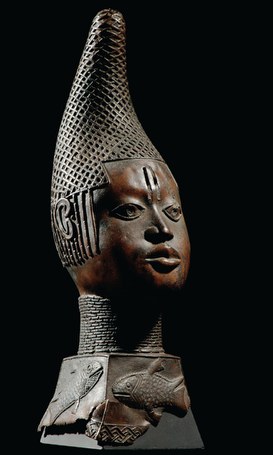
Die Wanderausstellung Benin – 600 Jahre höfische Kunst aus Nigeria ist nun in Berlin angekommen und ist von nun an im Ethnologischen Museum Dahlem zu sehen. Tagesspiegel-Autor Michael Zajonz findet, dass “wir Europäer” plötzlich mal die Exoten sind:

Wilde, langhaarige Kerle mit zotteligen Bärten, diese Portugiesen, die seit dem 15. Jahrhundert als Handelspartner und Waffenbrüder (Feuerwaffen!) des westafrikanischen Königreichs Benin in Erscheinung treten. Oder die englischen Kaufleute in ihren karierten Anzügen und Tropenhelmen, die sich vier Jahrhunderte später anschicken, die koloniale Ausbeutung des bis dahin unabhängigen, vom Sklavenhandel profitierenden Landes zu organisieren. Auch der Blick der Künstler aus Benin auf uns ist die Sicht aus einer elaborierten Kultur heraus auf das Fremde.

>> weiter im Tagesspiegel

Die Ausstellung ist umstritten. “Ein Großteil dieser Objekte wurde im Jahre 1897 aus Nigeria von den Briten nach einer Strafexpedition geraubt”, meinen Kritiker, siehe frueherer Bericht zur Ausstellung in Wien “Kunstraub aus Nigeria im Wiener Völkerkundemuseum zu besichtigen”

benin-ausstellung bild

Die Wanderausstellung Benin – 600 Jahre höfische Kunst aus Nigeria ist nun in Berlin angekommen und ist von nun an im Ethnologischen Museum Dahlem zu sehen. Tagesspiegel-Autor Michael Zajonz findet, dass "wir Europäer" plötzlich mal die Exoten sind:

Wilde, langhaarige…

Read more

Arne Martin Klausen: “Venstresiden, protester mot Olympiakomiteen!”

IOC spiller en politisk rolle som en av de mektigste institusjoner i det moderne samfunn. “Det forundrer meg at så mange fra venstresiden ikke ser at IOC burde være et like viktig demonstrasjonsmål som World Trade Organization, skriver antropolog og OL-forsker Arne Martin Klausen i Dagbladet.

En venstre/grønn regjering burde snarest gjøre klart at en statsgaranti for vinterlekene ikke kan komme på tale, mener antropologen. Olympialekene er et stort kapitalistisk arrangement der alle de store multinasjonale selskapene er tilstede som sponsorer. Han skriver om Olympia-museet i sveitsiske Lausanne som illustrerer forbindelsene tydelig:

Intet museum jeg har besøkt har vært så likt et tempel som det olympiske museum i Lausanne. Her er ren persondyrkelse av Coubertin og de senere presidenter, først og fremst Samaranch, som fikk bygget museet. I første etasje er det bygget noe som ligner en alterring. En mengde storre granittblokker er stablet på hverandre i et fint mønster. På hver blokk er de respektive sponsorers logo meislet inn, Coca Cola, Adidas, Kodak og hele ruklet.

>> les hele saken i Dagbladet

SE OGSÅ:

Er OL-fanatismen typisk norsk?

Lillehammer OL: Sjåvinisme eller fellesskap?

OL i Hellas: Om ville leker og antropologiske dager

Olympic Games: ‘Great Fun for Savages’

IOC spiller en politisk rolle som en av de mektigste institusjoner i det moderne samfunn. "Det forundrer meg at så mange fra venstresiden ikke ser at IOC burde være et like viktig demonstrasjonsmål som World Trade Organization, skriver antropolog og…

Read more

Stor interesse for “världens första doktor i jojkberättelser”

joik- cover

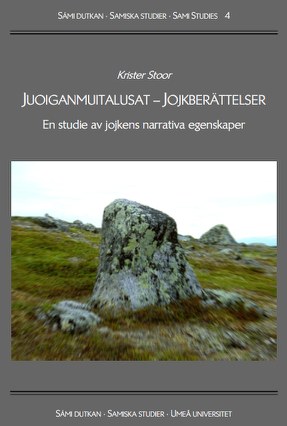
Ifjor høst leverte han doktoravhandlingen Juoiganmuitalusat – jojkberättelser: en studie av jojkens narrativa egenskaper. Nå reiser Krister Stoor verden rundt for å presentere forskningen sin: Interessen for urbefolkningsspørsmål er stor, sier han til Norrbottens Kuriren.

-Tidigare forskning har fokuserat på musiken, men jag intresserar mig för vad det är man berättar om i jojken, vilket inte gjorts tidigare, sier han.

Etter å blitt kjent med flere siouxindianerna har han fått en ide for et nytt forskningsprosjekt: Det skal handle om den samiska og den indianske trommen.

Krister Stoor er selv fjellsame og aktiv joiker i gruppen Trio Moivi.

>> les hele saken i Norrbottens Kuriren

>> Intervju med Krister Stoor i Kunskapskanalen (SVT)

>> Intervju med Krister Stoor på samer.se

>> last ned doktoravhandlingen

Igår var det Samefolkets dag og i Dagsavisen skriver også Hanne Mauno om den store interessen for samiske spørsmål: “Vinteren 2008 er blitt den rene kulturelle vårløsningen for samene”

Du vet det har skjedd noe spesielt når de begeistret diskuterer samisk sjamanisme på frokost-TV, og man i beste sendetid på søndager kan følge en flyttsamefamilie i dvelende, langsomme nærbilder hele veien fra vidda og ned til kysten. Vinteren 2008 føles det som om det plutselig er samer over alt

>> les hele saken i Dagsavisen

Ved feiringen av Samefolkets dag og ved starten på Mangfoldsåret 2008, er det på tide at samene nå får fast plass på Stortinget, skriver Ny Tids nye redaktør Dag Herbjørnsrud.

SE OGSÅ:

– Bysamer forsømt av forskningen

I Tromsø: Første professor i urfolksstudier

For første gang i Norge: Holdt disputas på samisk

Masteroppgave: Å være moderne same i Oslo

Flerforeldreprinsipp blant samene – Doktorgrad på rituelt slektskap

Hva har filmen “Kautokeino-opprøret” med innvandringsdebatten og Afghanistankrigen å gjøre?

joik- cover

Ifjor høst leverte han doktoravhandlingen Juoiganmuitalusat - jojkberättelser: en studie av jojkens narrativa egenskaper. Nå reiser Krister Stoor verden rundt for å presentere forskningen sin: Interessen for urbefolkningsspørsmål er stor, sier han til Norrbottens Kuriren.

-Tidigare forskning har fokuserat på musiken,…

Read more

(updated) Danah Boyd on Open Access: “Boycott locked-down journals”

“This is the last article that I will publish to which the public cannot get access. I am boycotting locked-down journals and I’d like to ask other academics to do the same”, writes Danah Boyd on her blog:

On one hand, I’m excited to announce that my article “Facebook’s Privacy Trainwreck: Exposure, Invasion, and Social Convergence” has been published in Convergence 14(1) (special issue edited by Henry Jenkins and Mark Deuze).

On the other hand, I’m deeply depressed because I know that most of you will never read it. It is not because you aren’t interested (although many of you might not be), but because Sage is one of those archaic academic publishers who had decided to lock down its authors and their content behind heavy iron walls.

What’s the point of writing papers if no one can read them? The journals are “god-awful expensive and no one outside of a niche market knows what’s in them”, she writes:

Digital copies of the articles have intense DRM protection, often with expiration dates and restrictions on saving/copying/printing. Authors must sign contracts vowing not to put the articles or even drafts online. (Sage -allows- you to posts articles one year following publication.) Academic publishers try to restrict you from making copies for colleagues, let alone for classroom use.
(…)
The result? Academics are publishing to increasingly narrow audiences who will never read their material purely so that they can get the right credentials to keep their job. This is downright asinine. If scholars are publishing for audiences of zero, no wonder no one respects them.

This has to change, she writes. Scholars have a responsibility to make their work available as a public good.

She proposes:

  • Tenured Faculty and Industry Scholars: Publish only in open-access journals
  • Disciplinary associations: Help open-access journals gain traction
  • Tenure committees: Recognize alternate venues and help the universities follow
  • Young punk scholars: Publish only in open-access journals in protest, especially if you’re in a new field
  • All scholars: Start reviewing for open-access journals. Help make them respected
  • Universities: Support your faculty in creating open-access journals on your domains

>> read the whole post on her blog

UPDATE:

Anne Galloway does not think boycott is the way to go: “I fully support open-access scholarship, but find danah boyd’s recent post on boycotting “locked-down” journals naive at best, and offensive at worst”, she writes in her blog. Furthermore she think Danah Boyd “overstates the “lock-down”.”:

I’ve published articles with Sage and Taylor&Francis, and was able to publish almost identical draft versions here. All I did was hand-write that provision onto my contract before I signed it, and no one ever objected.

>> read the whole post by Anne Galloway

There are now more than twenty comments on Danah’s post, including by publishers, a very interesting discussion!

SEE ALSO:

A quick guide to selv-archiving for anthropologists (mainly USA/GB-related, it seems) by Kerim Friedman

Anthropology News February about Open Access Anthropology

2006 – The Year of Open Access Anthropology?

Why Open Access?

Open Access News

"This is the last article that I will publish to which the public cannot get access. I am boycotting locked-down journals and I'd like to ask other academics to do the same", writes Danah Boyd on her blog:

On one hand,…

Read more

Military spies invade anthropology conferences?

The U.S. military is not only interested in employing anthropologists. Now, they have started attending anthropology conferences. Anthropologist Caroline Osella from the University in London and one of the editors of Social Mobility In Kerala, is worried.

In a post in the ASA Globalog (run by the Association of Social Anthropologists of the UK and Commonwealth) she tells us about her recent experience from a conference at the Exeter Gulf Studies Centre where she met people from the U.S. military both in the bar and in the conference:

Bad enough to have to check oneself and what one says in conferences…but to have to be on your guard in the bar afterwards in case you say something of interest about the Gulf-connected Muslim Indians you work among is surely one step too James Bond for an anthropologist?

A week before, she had attended a conference on south Asian studies in Leiden and “also found some of these security types there, listening in on the panels on south Asian Muslims – and even presenting papers themselves!”

Do we have to tolerate this?, she wonders:

I still maintain that this is a worrying trend and that effectively, academic freedom and decent research is jeopardised if all our conferences are gatecrashed.

Conferences are places where we try out ideas and present first drafts of our work; we may later decide to alter some things before going to publication in order to protect the people we work with.

By letting security personnel or academics form the military into conferences then effectively our work is going into the public realm before we are ready for it to do so.

Washington and whoever else is welcome to read the published versions of my and Filippo’s work, like any other members of the interested public. But they can download it and read it in their offices.

They can please keep away from academic conferences, where I want the freedom to try out my ideas, decide which details I might want to keep confidential for ethics’ sake, and feel free to engage in discussions which are not monitored or where the information I may pass on is not feeding into any policy agenda. And I want to be able to go and drink and talk shop in the bar in the evening without wondering who is listening.

(…)

We teach our undergrads about our shameful past with regard to colonialism. Are we going to find the next generation of anthropologists teaching about us and our pathetic accommodations to state power and our polite refusals to speak out?

>> read the whole blog post on the ASA Globalog

>> more posts on counterinsurgency on the ASA Globalog (quite a lot actually!)

On the website of the Network of concerned anthropologists (NCA), Hugh Gusterson tells a related story. During a panel at the American Anthropological Association annual meeting featuring three NCA members, witnesses saw two U.S. Army personnel writing down the names and institutional affiliations of anthropologists who had signed copies of the NCA pledge of Non-participation in Counter-insurgency circulating during the panel.

SEE ALSO:

Protests against British research council: “Recruits anthropologists for spying on muslims”

Final report launched: AAA no longer opposes collaboration with CIA and the military

The dangerous militarisation of anthropology

“Arabs and Muslims should be wary of anthropologists”

Anthropology and CIA: “We need more awareness of the political nature and uses of our work”

The U.S. military is not only interested in employing anthropologists. Now, they have started attending anthropology conferences. Anthropologist Caroline Osella from the University in London and one of the editors of Social Mobility In Kerala, is worried.

In a post…

Read more