search expand

Rainy day and interviews

It’s pouring down in Paris, and there is no sign of the heat wave that struck us a year ago. I’m stranded at the local bistro, wishing I had brought my woollen jacket. If the best thing to do when it rains like this is to cuddle up at home with a cup of tea, living alone in a hotel is perhaps one of the least pleasant things. (However, seeing all the people sleeping rough in this city, sometimes right on the pavement outside this bistro, it could have been very much worse. And I’m planning a sizzling hot fish tagine for lunch – if I just could get down to the restaurant – so I’m not complaining).
[teaserbreak]
Since my last post, I’ve done four interviews: two quite good and long ones with people I know at least a little bit and who – at least as importantly, I think – has seen me around on various venues for 6 months, and two with people who have rarely if ever seen me working. The latter were of course far shorter and less good, not due to the interviewees, but not surprisingly to the interaction and dynamic between us. My mediocre French also hinders me in creating a very constructive dialogue there and then, which could have counterbalanced the lack of confidence between two strangers. In London, I conducted interviews with three people I’d only been emailing with beforehand which resulted in excellent material. They knew I would anonymize them, and also that we probably would never meet again, so they used me a little bit like a psychologist, when telling about their experiences of growing up. The slammers can in most cases of course not be anonymized, so the interviews develop completely differently, not deviating much from their public persona. And in the cases where I know people well, both sides know there are strict limits to what I can reveal about them, and obviously also to what seems relevant to my study. One of the explicit issues in London was identity formation. Here identity is relevant as well, but only implicitly. In addition, many will say that they tell about this and that – more or less poetically expressed – in their texts.

I concentrate so hard when interviewing that I feel dizzy afterwards. In order to grasp (almost) all they are saying – often in a café that appeared calm and quiet until I find myself face-to-face with a surprisingly softly spoken slammer – I’ve realised that I scrutinise people’s face, following their mouth as if reading on their lips. Sunday, I listened to people talking for almost 6 hours – at a balcony overlooking Canal d’Ourcq in the northeast, and in a café off Rue Moufftard, in the southeast – with only a 40 minutes bikeride in-between. The morning after, I woke up feeling like I’d been drinking until the early hours. Strange.

Today, I’ll go at an end-of-the season soirée at a small bar at Barbès, where I’ll meet up early to finally do the interview I ditched (unwillingly!) at Pigalle some weeks ago. – Under the counter in this bar, a slammeuse told me, there lays a Paris Match from mid October 1961 saying nothing about the hundreds of French Algerians thrown into the Seine by the police after the peaceful demonstration the 17th (see this post). The barman had shown it to the eldery slammeuse after she had performed a text on the police chief of the time, Maurice Papon (who has such a dark record that the fact that he died peacefully in a hospital bed without having been severely punished makes certain aspects of French politics utterly incomprehensible to me). The barman showing her the magazine had moved her, she said. He in return was surely moved by her performance, although it’s nothing new that White Frenchmen also were concerned about the plight of the Algerians. (For instance, all the 9 killed by the police at metro Charonne in February 1962 had traditional French names. See this post). He can’t have been old, if he was born at all, in 1961. The magazine must thus have been laying in the bar or having been kept in his family from that time, probably in order to remember that although it mentions the demonstration, it said nothing, nothing about what really happened. Knowledge I’m sure was widespread amongst the French Algerians at Barbès at the time. This knowledge, together with the more than 40 years silencing of it, continues to live on, under counters at bars in Barbès, as well as elsewhere… “Finish with the repentance…” (as Sarkozy says – see a post or two ago), well, I don’t know if the time is due yet.

Instead of moving on to the third café with wifi (after a late breakfast in the neighbourhood, I hurried through the rain for a late lunch at picturesque and rain wet Place Sainte Marthe), I think I’ll post this now and take benefit of the surely temporary stop in the downpour to move on.

It’s pouring down in Paris, and there is no sign of the heat wave that struck us a year ago. I’m stranded at the local bistro, wishing I had brought my woollen jacket. If the best thing to do when…
Read more

Nordmenn og naturen: Antropolog forsker på basehoppere

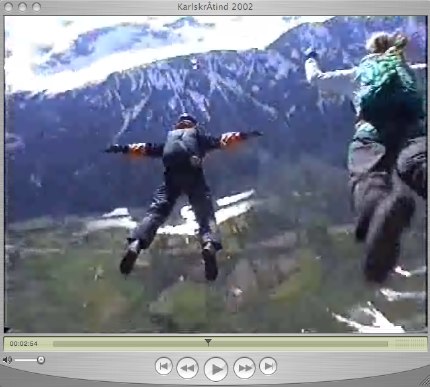
se filmen om basehoppere

Antropolog Sidsel Mæland har lagt en fin hjemmeside om sin forskning på norske basehoppere. Vi kan se en ganske skremmende video der basehopperne hopper rett i døden (virker som). “Girlpower” hører vi noen rope mens jentene kaster seg utfor stupet.

Forskeren har ikke hoppet selv men har sittet utallige timer på forskjellige landingssteder, bodd sammen med hopperne under feltarbeidene, og intervjuet 16 av de mest aktive utøverne, leser vi.

Sidsel Mæland har også lagt ut flere artikler.

>> besøk Sidsel Mælands hjemmeside base-research.com

SE OGSÅ:

Skrev magisteroppgave om fanatiske fugletittere

Forsker på Trillemarka-konflikten

se filmen om basehoppere

Antropolog Sidsel Mæland har lagt en fin hjemmeside om sin forskning på norske basehoppere. Vi kan se en ganske skremmende video der basehopperne hopper rett i døden (virker som). "Girlpower" hører vi noen rope mens jentene kaster seg utfor stupet.

Forskeren…

Read more

Nederlandsk antropolog forsker på nordmenn

Endelig! En utenlandsk antropolog forsker på nordmenn! I vår globaliserte verden, hvor føler Kristiansund-ungdommen seg hjemme? Dette lurer den nederlandske mastergradstudenten Margriet Juffer (26) på, skriver Tidens Tegn.

Føler ungdommene tilhørighet til hjemplassen eller andre plasser? Hvorfor bor de her, hvorfor bor de ikke andre plasser? Med internett og kulturell globalisering, hvor føler ungdom som bor i distriktene seg hjemme?

Juffers studerer kulturantropologi ved universitetet i Utrecht. Men hvorfor foreta slike studier i Kristiansund, spør journalisten og antropologen gir et godt og interessant svar:

– Fordi jeg ville studere norsk ungdom. Det finnes mange globaliseringsstudier på mennesker fra den tredje verden, men lite på hva globalisering gjør med ungdom fra i-land. Norge er et av de rikeste landene i verden, men det trenger ikke bety at alle er veldig lykkelige. Norge har høy selvmordsstatistikk og relativt stort forbruk av narkotika og alkohol. Grunnen til at jeg valgte akkurat Kristiansund, er fordi det er en liten by i distriktet, uten universitet og høyskole. Byen er ikke utpreget urban.

>> les hele saken i Tidens Tegn

Hun gjør det som norske forskere unnlater å gjøre: Mange norske antropologer drar utenlands og de fleste som forsker i Norge studerer innvandrere og drar sjeldent ut “i distriktet”. Og forskerne med innvandrer- eller minoritetsbakgrunn forsker stort sett på seg selv. Dermed er det nesten ingen som forsker på nordmenn.

Endelig! En utenlandsk antropolog forsker på nordmenn! I vår globaliserte verden, hvor føler Kristiansund-ungdommen seg hjemme? Dette lurer den nederlandske mastergradstudenten Margriet Juffer (26) på, skriver Tidens Tegn.

Føler ungdommene tilhørighet til hjemplassen eller andre plasser? Hvorfor bor de her,…

Read more

Advarer mot kulturrasistisk feminisme

Feminismebegrepet blir i stadig større grad knyttet til paternalisme og rasisme, sier antropolog Christine M. Jacobsen i et intervju med Kilden. Her er det grunn til å rope varsko, mener hun:

Så lenge feministisk retorikk brukes i en kulturrasistisk retorikk, for eksempel for å legitimere krigføring i muslimske land eller strengere innvandringspolitikk, blir det svært vanskelig for unge norske muslimer å identifisere seg med en feministisk posisjon. For feminister må det være en viktig utfordring å motsette seg at feministisk retorikk brukes til å undertrykke.

I sin doktoravhandling “Staying on the Straight Path. Religious identities and practices among young muslims in Norway” som hun leverte ifjor vinter, tok hun også opp kjønnsrollene. Til Kilden sier hun:

– Ungdommene har en sterk vilje til å videreføre religionen, men stiller samtidig spørsmål ved det de har lært hjemme. Hvilke deler av tradisjonen kan de forkaste eller gi avkall på og fremdeles være gode muslimer? Hva er kjernen i religionen? En viktig del av jakten på en ny muslimskhet er å utfordre kjønnsurettferdighet og enkelte kjønnede praksiser.

(….)

– Ungdommene baserer for en stor del sin kritikk av kjønnsurettferdighet i den islamske tradisjonen. Ikke minst i spørsmål angående ekteskapsinngåelse refererer de unge til at tvangsekteskap er forbudt i islam og at religionen gir både kvinner og menn rett til å bestemme hvem de vil gifte seg med.

(…)

– Norges Muslimske Ungdom og Muslimsk Studentsamfunn ser på seg selv som framskredne når det gjelder kvinners deltakelse sammenlignet med tilsvarende organisasjoner i andre europeiske land. De tilskriver gjerne dette at de er norske og at likestillingen står sterkere i Norge enn andre steder i Europa.

– Samtidig er aktive kvinner og diskusjoner om kjønn utbredt innenfor islamske revitaliseringsbevegelser både i Europa og i muslimske land. Så dette er ikke noe unikt norsk.

>> les hele saken i Kilden

Jeg intervjuet henne tidligere, se Doktorgrad på unge norske muslimer: På vei til en transnasjonal islam – Intervju med Christine M. Jacobsen og skrev om oppgaven Doctoral thesis: Towards a transnational Islam. Hele avhandlingen er lagt ut på nettet.

SE OGSÅ:

Kvinnekamp: Ingen monopol for “vestlige” feminister

Feminismebegrepet blir i stadig større grad knyttet til paternalisme og rasisme, sier antropolog Christine M. Jacobsen i et intervju med Kilden. Her er det grunn til å rope varsko, mener hun:

Så lenge feministisk retorikk brukes i en kulturrasistisk retorikk,…

Read more

Timo Veikkola – The Anthropologist as Future Specialist

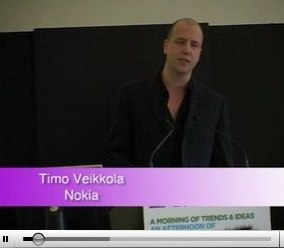
watch Veikkola's presentation Things are changing: See how an anthropologist is introduced in this story: “As many anthropologists these days he holds a strategic position inside a global corporation.” Juliana Xavier writes about Timo Veikkola – anthropologist at Nokia. His jobtitle: “Senior Future Specialist”:

As Senior Future Specialist at Nokia Design, he looks at society to comprehend how there are going to be shifts in behavior and culture that can inspire their design team. Timo is a future teller.

Veikkola was one of the speakers at an innovation conference in London (by PSFK). Juliana Xavier has been there and writes that this was the second time in less than an year that an anthropologist came to speak at a planning/marketing/advertising conference:

Last year, Bob Deutsch from Brain Sell (…) talked about treating people as people rather than as consumers. Timo talked about that as well, but also about that as a crucial part of his work at Nokia, or better saying: about how to envision the future through trends, observation and – an expression that I liked a lot – informed intuition

(…)

Timo’s trend team is composed of a diversity of people from Brazil to India, from Chile to China – everyone sitting in the same room. It is a way to cultivate the atmosphere in the office, an atmosphere of global and cultural diversity. A good observer of the present wants to be close to people, is keen to get involved and has to seek stimulation through real experience.

>> read the whole article by Juliana Xavier

Veikkola’s presentation is available online

>> Watch Timo Veikkola, Future Strategist at Nokia, on a Vision of our Future at the PSFK Conference London

SEE ALSO:

“The science of ethnography is an ideal tool to designing mobile phones”

Popular IT-anthropologists: Observe families until they go to bed

INTEL and Microsoft conference “a coming-out party” for ethnography

Ethnography, cross cultural understanding and product design

Anthropology Matters – New issue out on anthropology of science and technology

watch Veikkola's presentation

Things are changing: See how an anthropologist is introduced in this story: "As many anthropologists these days he holds a strategic position inside a global corporation." Juliana Xavier writes about Timo Veikkola - anthropologist at Nokia. His jobtitle: "Senior Future…

Read more