search expand

– Æresdrap har sammenheng med patrilineære slektskapssystemer

(LENKER OPPDATERT 30.11.2023) Har æresdrap noe med islam å gjøre? Det er et spørsmål som kommer opp med jevne mellomrom. “Flere hundre drap. Mangelfull statistikk og underrapportering gjør det umulig å fastslå omfanget av æresdrap i Midtøsten, men de anslås til flere hundre i året”, skriver Morgenbladet.

– Det er ingen sammenheng mellom islam og æresdrap, og islamsk lov forbyr denne praksisen, sier Sayyid Muhammad Hussein Fadlallah, en av verdens fremste shiamuslimske skriftlærde til Morgenbladet.

Avisa spør også Diane E. King, professor i antropologi ved American University of Beirut. Hun sier:

– Æresdrap har sammenheng med patrilineære slektssystemer. Det vil si samfunn hvor slektsidentitet, arv og bosted bestemmes av slektens menn alene. I motsetning til i Vesten defineres familien her gjennom mannen. I patrilineære samfunn danner de mannlige etterkommerne av en stamfar en identitetsgruppe. Denne gruppen deler ære, og i flere tusen år har det vært kvinnens rolle å beskytte slektens ære.

Hun forteller at hun aldri har hørt om tilfeller av æresdrap i Indonesia, det mest folkerike muslimske landet i verden, og som har tradisjon for bilineære slektsystem:

– I patrilineære samfunn tar ære form av en gruppebevissthet gjennom tidligere, nåværende og fremtidige generasjoner. Æren blir viktigere enn selve livet. Selv om det er en forferdelig pris å betale, må en jente som vanærer familien sin, elimineres.

>> les hele saken

Kommentar: Dette er en interessant sammenligning. Men det er ingen forklaring på hvorfor jenta drepes.

SE OGSÅ:

«Ære» eller folkesnakk? Forfatter utfordrer antropologer

Fra æresdrap til familietragedie: «Æresdrapsalarmen» i norske redaksjoner

Unni Wikan: Hederskulturen vill kontrollera privatlivet och dölja det för insyn (Axess.se)

Et spørsmål om ære – om Unni Wikans bok, “For ærens skyld. Fadime til ettertanke”

Berit Thorbjørnsrud: Fokus på æresdrap er blåst ut av proporsjoner

(LENKER OPPDATERT 30.11.2023) Har æresdrap noe med islam å gjøre? Det er et spørsmål som kommer opp med jevne mellomrom. "Flere hundre drap. Mangelfull statistikk og underrapportering gjør det umulig å fastslå omfanget av æresdrap i Midtøsten, men de anslås…

Read more

Mer om den nye antropologi årboka

Betwixt & Between 2005 – 15. årgang av høyeregradsstudentenes årbok er ute som nevnt tidligere. Cecilie Nordfeldt har sendt inn en oppsummering av de 21 artiklene som hovedfag- og masterstudenter fra hele landet har skrevet. Hun forteller også om et nytt samarbeid med Norsk Antropologisk Tidskrift. Årboka ble i år hedret av Studentsamskipnaden i Oslo med pris for “Årets enkelttiltak” i 2004! >> les teksten
Betwixt & Between 2005 – 15. årgang av høyeregradsstudentenes årbok er ute som nevnt tidligere. Cecilie Nordfeldt har sendt inn en oppsummering av de 21 artiklene som hovedfag- og masterstudenter fra hele landet har skrevet. Hun forteller også om…

Read more

A new word For June – or: When is the Arctic no longer the Arctic?

Long story in the International Herald Tribune about climate change in the Arctic, sinking cities, unhappy reindeers, emaciated looking polar bears, walruses trying to climb onto white boats, mistaking them for ice floes and seasoned hunters who have been stepping in snow that should be covering ice but instead falling into water.

Traditions are changing. Here a little detail concerning Inuit language:

Take the Inuit word for June, qiqsuqqaqtuq. It refers to snow conditions, a strong crust at night. Only those traits now appear in May. Shari Gearheard, a climate researcher from Harvard, recalled the appeal of an Inuit hunter, James Qillaq, for a new word at a recent meeting in Canada.

One sentence stayed in her mind: “June isn’t really June any more.”

>> read the whole story

SEE ALSO:

Tad McIlwraith: Arctic Warming and Traditional Knowledge of Climate Change

Fighting for the Right to be Cold: Inuit leader wins environment prize

Long story in the International Herald Tribune about climate change in the Arctic, sinking cities, unhappy reindeers, emaciated looking polar bears, walruses trying to climb onto white boats, mistaking them for ice floes and seasoned hunters who have been stepping…

Read more

“We have a huge responsibility to give back to the places we study from”

“We have a huge responsibility to give back to the places we study from,” anthropology professor Sharon Hutchinson says in a portrait on the website of the University of Winston-Madison. She has increasingly designed her courses to help students think through moral and practical dilemmas. For 25 years, Hutchinson has been involved in the southern Sudan as an anthropologist and human rights activist >> continue (link updated)

SEE ALSO:

Review of her book “Nuer Dilemmas: Coping with Money, War and the State” (Australian Journal of Anthropology) (link updated)

Challenges of Providing Anthropological Expertise: On the conflict in Sudan

Anthropology in a Time of Crisis. A Note from Nepal

"We have a huge responsibility to give back to the places we study from," anthropology professor Sharon Hutchinson says in a portrait on the website of the University of Winston-Madison. She has increasingly designed her courses to help students think…

Read more

How can we create a more plural anthropological community?

Interesting article in Anthropology News October by Brasilian antropologist Gustavo Lins Ribeiro on the lacking globalisation of anthropology:

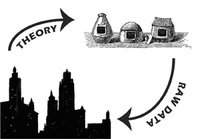
Globalisation in anthropology has mirrored unequal relations existing within larger structural processes. Theory, for instance, has flown from metropolitan centers to non-metropolitan centers while the flow of “raw data” makes the opposite movement.

The consequence is that a large part of anthropological knowledge remains unnoticed:

English has become the global language to the detriment of a more diversified linguistic and stylistic scenario. Think, for instance, of the size of anthropology in Japan or Brazil. But few read Japanese or Portuguese outside of their original language communities. Furthermore, only a small internationalized elite interacts on a global level. Nation-states remain the primary place where the reproduction of the profession is defined in particular ways.

So what can be done? How can foster the visibility of non-metropolitan works of quality and enhance our modes of exchanging information? How can we create and consolidate a more plural anthropological community?

He suggests among others:

Translation of different anthropological materials into English. But to to avoid linguistic monotony, German anthropologists should be translated into Japanese, Mexicans into German, Australians into Portuguese, Brazilians into Russian, and so on.

Online communication: An electronic collection of classics from different countries and a global anthropology e-journal are real possibilities.

– Increased presence of international participants at national anthropology congresses and creating connections and fostering exchange is to capitalize on already existing national and international anthropological associations. The creation in 2004 of the World Council of Anthropological Associations was an important step in this direction.

>> read the whole article

UPDATE (10.2.07)

World Anthropologies – Book and papers online: Working towards a global community of anthropologists

SEE ALSO

On Ribeiros new book “World Anthropologies. Disciplinary Transformations within Systems of Power

Gustavo Lins Ribeiro: Global Navigations

Gustavo Lins Ribeiro: The Condition of Transnationality. Exploring Implications for Culture, Power and Language

Open Source Anthropology : Are anthropologists serious about sharing knowledge?

Interesting article in Anthropology News October by Brasilian antropologist Gustavo Lins Ribeiro on the lacking globalisation of anthropology:

Globalisation in anthropology has mirrored unequal relations existing within larger structural processes. Theory, for instance, has flown from metropolitan centers to…

Read more