Fast drei Jahre lang haben 28 Ethnologen und Soziologen das Leben einer Stadt im Niedergang teilnehmend beobachtet. Künstler wurden auch in den Forschungsprozess eingebunden. Das Ergebnis wird heute u.a. in einer Sonderausgabe der ZEIT gross präsentiert.
Die Industrie ist am Ende. “Die Zahl der Einwohner ist von 30.000 auf 18.000 zurückgegangen, und die einzigen Zuzügler sind die Soziologen, die durch die leeren Straßen wandern und beobachten, wie man so lebt in der Stille”, schreibt die ZEIT über Wittenberge, zwischen Hamburg und Berlin im Osten Deutschlands gelegen.
Die «brutale Wahrheit» von Wittenberge. Das Fazit ist düster. Ob die Bürger die Wahrheit ertragen? titelt der Tagesanzeiger. Der Ton in den vielen Zeitungsberichten ist düster. “Noch immer schrumpft die vergreiste Stadt. Im Stadtkern wohnen die Armen, unzählige Häuser stehen leer”, so der Tagesanzeiger weiter. Und: “Die wichtigste Erkenntnis der Wissenschaftler ist: Vom einstigen sozialistischen «Wir» ist in Wittenberge nichts mehr zu spüren.”
Doch all das Negative ist vielleicht nicht das Interessanteste. Spannender wär vielleicht die Frage: Wie gehen die Einwohner mit dem Niedergang um? Die Frankfurter Rundschau spricht dieses Thema kurz an und betont, dass man in Wittenberge keineswegs nur auf Verlierergeschichten stösst.
Es sind neue Perspektiven entstanden, und mit den Soziologen haben die Wittenberger das Potenzial entdeckt, das im Gefühl der Unterlegenheit schlummert. Mit Blick auf Lösungsansätze und Interpretationsangebote geht selbst aus sozialen Brennpunkten oft ein bemerkenswertes soziales Kapital hervor.
In der Stadt wurden die Forscher kritisch beäugt. Manche hatten den Eindruck, die Forscher seien zu sehr auf das Elend fixiert. Die Zeit schreibt:
Einmal, so erzählt der (ostdeutsche) Soziologe Wolfgang Engler, sei ein Stadtforscher mit der Kamera durch Wittenberge gezogen und habe die totesten Stellen der Stadt fotografiert. Und während er weiter ging, merkte er, dass er verfolgt wurde. Ein kleiner Zug von »Eingeborenen«, so Engler, sei dem Mann auf den Fersen geblieben. Er konnte sie nicht abschütteln; sie griffen ihn nicht an, aber sie waren alarmiert; sie wollten sich, so Engler, nicht abfinden mit dem »beschämenden Gefühl, von anderen in der eigenen Misere beobachtet zu werden«.
Wittenberg wurde nicht isoliert untersucht, sondern im europäischen Kontext. Aehnliche Prozesse laufen in anderen Städten ab. Neben Wittenberge gab es verwandte Untersuchungen im pfälzischen Pirmasens und im rumänischen Victoria. Wittenberge, sagt Projektleiter Heinz Bude, gibt es auch in Litauen oder Wales.
Das Forschungsprojekt hat eine informative Netzseite http://www.ueberlebenimumbruch.de/
AKTUALISIERUNG (5.3.10): Die Elends-Berichte nehmen kein Ende in den Zeitungen. Doch Projektleiter Heinz Bude sagt in einem Gespräch mit der Schweriner Volkszeitung: “Das soziale Drama ist das falsche Bild. Wir haben viele Formen gefunden, wie Menschen hier ihr Leben meistern.”
Nun sind längere Texte auf der Webseite der ZEIT zu lesen, v.a. der spannend geschriebene Artikel Zum Beispiel Wittenberge. Hier erfahren wir mehr über das Doktorgradsprojekt der Ethnologin Anna Eckert. Große Teile ihrer Doktorarbeit zur Lebensführung in der Erwerbslosigkeit basieren auf der Analyse vom Leben einer Hartz-IV-Empfängerin, die sie “Inge” nennt:
Inges Biografie ist eine der typischen Geschichten, die der Umbruch geschrieben hat. Bis zur Wende arbeitete die gelernte Schlosserin im Nähmaschinenwerk, seitdem hatte sie außer einigen Ein-Euro-Jobs keine Arbeit. »Zukunft« ist für Inge schon lange keine Kategorie mehr. Seit Jahrzehnten bleiben die Chancen aus, Gelegenheiten haben sich nie ergeben, es eröffnete sich keine Perspektive. Ihre Arbeit ist verschwunden. Und sie kommt nicht wieder.
Inge weckt sich jeden Morgen um fünf Uhr. Es beginnt ein strikt durchorganisierter Alltag. Das Ziel: Zeit verbrauchen. (…) Fragt man die Hartz-IV-Empfängerin nach ihren Träumen, so hat sie keine. Fragt man sie nach Dingen, die ihr wichtig sind, zuckt sie mit den Schultern. Nach einer langen Pause sagt sie »mein Partner«.
Wir lesen ausserdem:
Ob es »Gewinner«, »Verlierer«, Kleingärtner, Unternehmer, Rentner oder Fernfahrer waren, die interviewt wurden – eines zieht sich durch alle Forschungsergebnisse. Das ist die wichtigste Erkenntnis der Wissenschaftler: All diese Gemeinschaften stehen wie Säulen nebeneinander, der Umbruch der Wende hat das organische Ganze der Stadt zersprengt. Seitdem ist der Ort in Gruppen zerteilt, die sich mehr oder weniger deutlich und scharf nach außen abgrenzen. (…) Im Unterschied zu anderen strukturarmen Gegenden im Westen von Deutschland wiegt in Wittenberge das Gewicht der Vergangenheit schwer. Der Kontrast zum einstigen, sozialistischen »Wir« lässt die heutige Zersplitterung der Gesellschaft umso tiefer und stärker spürbar werden.
Fast drei Jahre lang haben 28 Ethnologen und Soziologen das Leben einer Stadt im Niedergang teilnehmend beobachtet. Künstler wurden auch in den Forschungsprozess eingebunden. Das Ergebnis wird heute u.a. in einer Sonderausgabe der ZEIT gross präsentiert.
Nicht alle, die in Müllcontainern nach Essen wühlen, tun dies aus Geldnot. In der neuen Ausgabe von Ethmundo lesen wir u.a. über die Containerer.
Nach Landeschluss durchwühlen sie die Abfallbehälter auf den Hinterhöfen der Supermärkte: Die Containerer leben von dem, was nicht mehr gebraucht wird, aber noch brauchbar ist. Ihr Motiv ist nicht Geldnot, sondern Kritik an einem System, das die Konsumenten in Abhängigkeit treibt, die als Freiheit getarnt ist. (…) Statt durch den Kauf im Supermarkt die Konzerne zu unterstützen, versuchen die Containerer unabhängig von den Gesetzen des Marktliberalismus zu leben und sich von dem Konsumzwang zu befreien.
Containern ist Widerstand gegen die Wegwerfgesellschaft, erklärt Annika Franke in ihrem Artikel:
Denn während auf der einen Seite Lebensmittel vernichtet werden, leiden Millionen von Menschen an einer permanenten Unterernährung. Lebensmittel werden aus ökonomischen Gründen entsorgt, um die Preise stabil zu halten oder Platz in den Regalen der Supermärkte zu machen. (…) In Wien beispielsweise wird jeden Tag die Menge an Brot weggeworfen, mit der die zweitgrößte Stadt Österreichs, Graz, versorgt werden könnte.
Wenig bekannt ist der Zusammenhang zwischen Landwirtschaftspolitik und Migration:
Wer im Supermarkt Gemüse kauft, kommt an Produkten aus Spanien nicht mehr vorbei. Auf mehr als 25.000 Hektar wird im südspanischen Almeria Gewächshausgemüse angebaut. Dieser Anbau wird genauso wie der Export subventioniert. So kommt es, dass dieses Gemüse auch auf einem Markt in Dakar verkauft wird – günstiger als ein senegalesischer Bauer es je produzieren könnte. Wenn es für diesen Bauern keine Möglichkeit gibt, im eigenen Land Geld für seine Familie zu verdienen, so ist es nicht verwunderlich, dass er sich aufmacht, sein Land zu verlassen – in der Hoffnung, auf dem europäischen Kontinent eine rentable Arbeit zu finden.
Nehmen wir an, er schafft es über die Straße von Gibraltar nach Spanien, ohne dass er Schiffbruch erleidet oder festgenommen und von den Behörden zurückgeschickt wird. Dann hat er vielleicht sogar das Glück, in einem der Gewächshäuser für einen Hungerlohn zu arbeiten, in denen genau jene Tomaten angebaut werden, die ihn zum Verlassen seiner Heimat gezwungen haben.
Über eine andere Form von Protest mit dem Kochlöffel schreibt Marcus Andreas. In seinem Text Von Aas und Äpfeln gibt er Einblick in seine Feldforschung im Ökodorf Sieben Linden in Sachsen-Anhalt, die Teil seines Doktorgradsprojektes ist.
Dort leben (und essen) gut 120 Menschen. Vom Frühstück bis zum Abendessen kann da gemeinsam gegessen werden – allerdings ausschliesslich vegetarisch und meist vegan (privat kann man kochen was man will):
Lebensmittel werden bevorzugt als gut und „natürlich“ definiert, wenn sie „natur belassen“ sind. Obgleich Kochen sonst als beeindruckender zivilisatorischer Akt gilt – die Verwandlung rohen Materials in kulturell anerkannte Speisen – läuft es hier nun andersherum: Gerade das Unverarbeitete wird geschätzt. Wird anderswo der möglichst fein raffinierte weiße Zucker angepriesen wird, drehen sich nun die Vorzeichen um; brauner Zucker, braune Nudeln; „Kultur“ als immer währende Verfeinerung und Gestaltung hat ausgedient; erhalten, beziehungsweise gestärkt bleibt allerdings das Motiv der Reinheit.
Die Rohköstler gehen noch weiter und grenzen sich wiederum von dem Großteil der Vegetarier ab: „Tot“ ist, was zu hoch verarbeitet oder erhitzt wurde
Hvor viktig er ens etniske bakgrunn når man er på feltarbeid? Som antropolog og doktorgradsstipendiat Astri Dankertsen minner oss på i sin nye blogg Astrilogi, er den kanskje spesielt viktig når man forsker på en gruppe mennesker som ikke bare har hatt positive erfaringer med antropologer og storsamfunnet, for eksempel samer:
Som forsker på samiske forhold dukker man automatisk ned i et felt som til tider kan føles ganske betent, der skepsisen til forskere, eller folk generelt, som kommer utenfra, det vil si fra det norske samfunnet, iblant kan være ganske stor. “Hvem er du?”, “Hva gjør du her?” samt skeptiske blikk er noe man fort kan oppleve som forsker, spesielt når man som jeg gjør, snakker “søringdialekt”.
(…)
Selv føler jeg meg ikke utpreget samisk, oppvokst som jeg er i “søringland”, men jeg har likevel nok samisk blod til å stå i samemanntallet, noe jeg også har valgt å gjøre. Derfor sklir jeg gjerne inn i kategorien “norsk”, noe jeg ofte synes er enkelt, greit og ukomplissert.
Samtidig hender det jo at folk likevel velger å tillegge meg kategorien “same”, særlig hvis de kjenner min far eller har litt kjennskap til min familiehistorie. “Ja, men da er du jo en av oss,” kan da være en konklusjon mange trekker.
(….)
Noen ganger kan folk til og med gjøre meg til mye mer same enn jeg føler meg komfortabel med å være, både sosialt sett og når det kommer til fag. For eksempel fikk jeg kritikk mine sensorer til min masteroppgave om oslosamer for å legge for lite vekt på min egen samiske tilhørighet. “Men jeg er jo mest norsk,” var da min umiddelbare følelse, samt en indre uro over å bli påtvunget en identitet jeg ikke helt følte meg hjemme i.
Hvor viktig er ens etniske bakgrunn når man er på feltarbeid? Som antropolog og doktorgradsstipendiat Astri Dankertsen minner oss på i sin nye blogg Astrilogi, er den kanskje spesielt viktig når man forsker på en gruppe mennesker som ikke bare…
Rundt ti prosent av den mannlige delen av den norske befolkningen over 16 år driver med jakt. Det er få kulturelle fenomen som har så stort omfang i Norge, får vi vite.
Antropologen er selv aktiv jeger. Han har skrevet hovedfagsoppgave om den norske harejakta og forholdet mellom jakthund og jeger. I harejakta har jakthunden en dominerende rolle som vi også ser i videoen.
I sitt doktorgradsprosjekt har han flyttet fokuset fra harejakt til elgjakt. Han ser på jegeridentiteten og håper å komme inn i den større diskusjonen om forvaltning av elg i Norge: Hvor mange dyr skal skytes hvert år og hva slags dyr i forhold til kjønn, alder etc?
Ramslien forteller om kapittelet om jakttrofeet han holder på å skrive:
– Trofeet er et typisk nøkkelsymbol som tolkes svært forskjellig av forskjellige mennesker. Det er alt fra et «lik på veggen» til et symbol på jegerens ferdigheter, den lokale elgbestandens genetiske kvalitet og grunneierens forvaltningsferdigheter. Dyret tilskrives også menneskelige egenskaper som sluhet og list ut fra størrelsen på trofeet. Et analytisk fokus på geviret gir innblikk i elgjakta som sosialt og kulturell fenomen. Hvor trofeet blir hengende inngår også i en forhandlig om maskulinitet. Ofte blir det forvist til garasjen eller i trappa ned til kjelleren, typiske maskuline steder.
(…)
– Til tross for at trofeet er et viktig symbol i jaktsammenhenger i Norge, er det knyttet mye ambivalens til ren troféjakt. Ofte markeres en ikke-troféjegeridentitet ved å referere til rikfolk eller tyskere. Man viser gjerne frem et flott trofé, men skyter ofte inn en setning om at jakt handler om mer enn bare trofeer, blant annet fornuftig forvaltning.
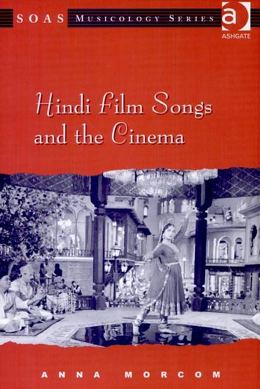
There are only few studies on popular music in South Asia. Tereza Kuldova (Tereza Kuldova) reviews for us the book Hindi Film Songs and the Cinema by ethnomusicologist Anna Morcom. Her review shows – among other things – the differences and barriers between anthropology and ethnomusicology.
—–
Review: Hindi Film Songs and the Cinema by Anna Morcom, 2007, Ashgate, ISBN 978-0-7546-5198-7
Tereza Kuldova, Research Fellow, Museum of Cultural History, Department of Ethnography University of Oslo
Main Yahaan Hoon Song | Veer-Zaara | Shah Rukh Khan, Preity Zinta | Madan Mohan, Udit Narayan
Popular music in South Asia equals film music, however, even though its popularity is immense, it has been a very little studied phenomenon. This is even more startling when we realize that film songs “have become the music of public spaces in India, being heard from open windows in peoples’ homes, on buses and in bazaars. They are sung and danced to by millions of people in a range of formal and informal contexts, and have been appropriated in many folk genres” (p. 5) and they are thus literally omnipresent. This book thus must get credit for the choice of its subject matter, in the first place.
This book deals with the relationship between Hindi film songs and Hindi films and analyzes them in their cinematic, narrative and visual contexts. The ongoing agenda of the book seems to be to persuade us that the Hindi film song cannot be separated from the Hindi film, which is however a rather obvious fact to any viewer of Hindi film. The only thing I have to say to this is – there is a reason why it is called a film song and ergo, how could the song ever be truly independent or separated from its film context?
Another concern of the book is the definition of the Hindi film song genre as an independent style. Anyone following the Hindi cinema knows that Hindi film songs are extremely creative and varied, drawing on great diversity of inspiration and adjusting it to the particular needs of concrete scenes, and it thus might not be that easy to define them in terms of any style. Moreover, I wonder, do we really have to categorize these songs in terms of any style? What do we gain by that? Well, the answer may be that we gain statements such as follows:
“Amongst an array of inconsistent or over-general stylistic parameters, the only true constant in Hindi film songs is their ‘inclusion in a Hindi film’” (p. 70).
That was not a very surprising fact, was it? The intense argumentation for the analysis of Hindi film songs in relation to the cinematic context, however commonsense, obvious and at times felt as redundant and repetitive is certainly not so obvious within musicology. Because as Morcom argues ”the cinematic perspective of Hindi film songs has been ignored, with musicological studies largely viewing them as separate entities from their parent films” (p.7). So possibly Morcom might get credit for introducing a notion that is rather and straightforward to any consumer of Hindi film songs to the musicological studies.
The conclusion of the books are thus following:
“Far from being an independent tradition of popular songs, this book has found film songs to be profoundly integrated with Hindi films on many levels. Film songs are conceived as part of a particular film, and the musical style of each song is tailored to the parent film and the song scene.
In commercial terms, although film songs have become a big business since the late 1980s, their profitability is only exploitable in association with the Hindi cinema. Even after their release, the consumption of film songs is largely tied up with the Hindi cinema generally, and to some extent, with the parent film in particular.
However, songs are distinct from their cinematic roles and contexts in certain ways, although the degree of this independence varies with each song. As well as tailoring a song musically to a situation, its ability to sound good as a separate entity, its ‘audio value’, is also considered during its production. At the level of reception, audiences are able to appropriate songs and adapt them to new situations, which in some cases may result in the relationship with the parent film and cinema culture in general becoming obscure, or even disappearing entirely. Hindi films have a narrative style and structure that is designed for songs, and similarly, film songs are able to fit around cinematic scenes (p. 239).”
Now that we have begun paradoxically with the conclusion, let us get through the book chapter for chapter.
In the first chapter (available online here), we are presented with the argument for the study of the Hindi film songs through a multimedia model of analysis, which takes into account the context of the film songs in their parent films, their narrative and visuals as well as their production process. However, there is no attempt to frame this whole analysis in the context of Indian society or its changing historical realities (even though the book discusses the different periods in the evolution of the Indian cinema).
We also get to know that the work draws extensively on fieldwork in India, from 1998-2000 and read that the “fieldwork was ethnographically based” and “aimed to study film music through observing, fitting in with and joining in with its own people and culture” (p. 20). However, when we proceed to the second chapter which is concerned with the production of the Hindi film songs, and which is supposed to draw almost exclusively on fieldwork, what is presented to us are mostly excessive and in terms of content repetitive selections from interview transcripts with producers, music directors, lyricists and others. We do not get to know much about the ethnographic reality as such and any ‘ethnographic’ description in the true sense of the word is missing, except for the practical aspects of the production process, in which the roles of the director, producer, music director, lyricist and others are assessed.
The point of the chapter is again to show that lyrics and music is closely related to what is happening in the film and that it is used to express various emotional states, actions or drama in the scenes.
Let us move on to the third chapter which tries to answer the question of “why are film songs so difficult to categorize in terms of style?” (p. 134). This is clearly a question in musicology, it does not make much sense to the anthropologist writing this review.
The conclusion of this chapter is again not very surprising:
“Film songs seen in one way seem very formulaic and standardized, but seen in another way, they are very eccentric and unpredictable. Film song is required to have a regular enough style and enough musical autonomy to work as popular music, to make sense without the film, and even to advertise film, but at the same time to be specific and idiosyncratic enough to fit around a particular given situation. (…) Film songs need to be seen as multi-media, musico-dramatic entities as well as popular songs in order to make sense of both individual songs and the development of the genre as a whole” (p. 135-6).
For me this last statement equals saying: Hindi film songs need to be seen as what they are.
In the fourth chapter, Morcom addresses the question of the relation between Western music and Hindi films and the role of narrative in Hindi film music style. Supposedly the most striking feature of Hindi film music, as I perceive it (being interested in it intensely in relation to my research and being also its keen consumer), is its eclecticism, namely its ability to borrow and combine different styles and traditions in just one song, and that is what makes it so much fun – and also what makes it possibly so confusing for a musicologist, trying to make sense of it. Morcom poses such questions as “how is this Hollywood music able to communicate apparently successfully to the Indian audience? European and American culture has little to do with Indian music” (p.147) or how is it possible that “various types of non-indigenous music may be conveying narrative meaning to indigenous audiences” (p.157).
She considers “the amount of overlap in musical meaning in Hindi and Hollywood films surprising. Ethnomusicology tends to emphasize the aspects of music that are culture specific” (p. 156). Well, maybe ethnomusicology should consider the option that cultures do not exist in isolation and Morcom should consider India’s colonial history, not to mention its history of thousands of years of cultural contact and exchanges. When what is considered a traditional Muslim floral decorative motif (which can be seen for example on the walls of the Taj) comes originally from the European herbaria, I tend not to really wonder why the ‘indigenous’ population can identify with Western musical elements in Hindi film songs.
Satrangi Re
However, Morcom hits on something interesting when she says that “the direct relationship of many musical signs with feeling, experience and somatic states may be one reason why music has greater potential for mutual understanding than language, whose signs are more highly mediated” (p.157). Sadly, she does not really elaborate on this any further. She concludes saying that:
“(M)any of the ‘Hollywood’ techniques most commonly found in Hindi films conveniently constitute an antithesis of rāg and classical melody, and also of film and folk melody, which are associated to a greater or lesser degree with the sacred, love, romance and celebration. They can therefore be used as powerful means to express distortion, destruction and disturbance of these qualities in a range of dramatic situations (p.178).”
However, they can also be used to express many other different things.
In the fifth chapter, Morcom explores the commercial life of Hindi film songs, in relation to Hindi film, in the context of buying, selling, and marketing. She investigates the technologies of distribution, marketing and profitability of film songs from the first few years of sound film to 2000. This chapter is based on fieldwork; however, that again stands for interviews with people in the industry. The chapter discusses the influence of gramophone, radio, cassettes, dvd, vhs, vcd etc. on the commercial potential of Hindi songs.
Again Morcom struggles with the distinction between marketing Hindi film songs and Hindi films, and we can again and again read sentences such as:
“The marketing of film songs and films are ultimately difficult to distinguish. Trailers using the film songs and visuals from the films are produced by the music company to promote the music, and the music, as it gains ground in the popular culture, promotes the film” (p.195).
Even though this book was published in 2007 it does not really take into account the importance of internet and though she discusses the importance of television and various live shows, it appears to me, that she does not really capture the extent of the industry. Moreover, nowadays there are numerous ‘making of the song/film’ videos available all over the internet, as well as numerous TV-shows featuring the stars, directors, singers, music directors etc. discussing the production and marketing process and many other things. This all is the promotion of the songs. However, though she notes that “these shows add another layer of importance to film songs, but are still parasitic on the cinema” (p.220), she does not really consider them in the analysis any depth.
Emi (Chori Chori Dekhe Mujhko) FULL SONG *HQ*
In the last chapter, Morcom deals with the audience reception of Hindi films and with the life of the film song after its release. She again wonders if the songs are “able to become independent of the context of the parent film or of ‘film culture’ in general” (p.208). She analyzes different charts from several websites, concluding:
“(I)ndividual songs have, to some extent, a life of their own in terms of popularity and may become popular even if the parent film is a flop. However, when it is taken into account that only a minority of films are hits, the songs from hit films can be seen to further dominate the chart” (p.211).
When it comes to appropriation of film songs by the audiences, again a part of the text which is based on fieldwork, we get to know very briefly that people appropriate songs by
singing them,
playing them and singing at various occasions such as weddings, Holi, romancing or using them as devotional songs in the temple,
identifying with them across disparate communities in South Asia and the Diaspora as they refer to shared experience
performing them (from amateurs to professionals).
The conclusion she thus draws is that audiences actively appropriate these songs. However, what is striking when we realize that most of the Hindi film songs are dance songs is the lack of consideration of dance as a form of appropriation. As well as the lack of serious consideration of the movements and gestures in relation to the narrative, lyrics and music as a mode of expression. The embodiment of music and sound is definitely a way of appropriation of music that needs to be considered in any such analysis, and even more so in the analysis of Hindi film songs that rely visually to an extreme degree on bodily movements, gestures and dance scenes.
Reading this book as an anthropologist gave me an insight into on which premises ethnomusicology is established and it certainly thought me to be more sensitive to the various ways in which sound conveys meaning, which is possible the biggest lesson of the book – to give a thought to the various sounds and their interplay with the visual (however I would also include the somatic, emotional and embodied practices) and their ways to express, convey and reproduce meaning. At the same time, I feel that ethnomusicology, as I experienced it though this book, would profit from a more thorough study of anthropology, to get a more nuanced perspective and become more sensitive to the context.
There are only few studies on popular music in South Asia. Tereza Kuldova (Tereza Kuldova) reviews for us the book Hindi Film Songs and the Cinema by ethnomusicologist Anna Morcom. Her review shows - among other things - the differences…