search expand

Skal ta mastergrad i luksus

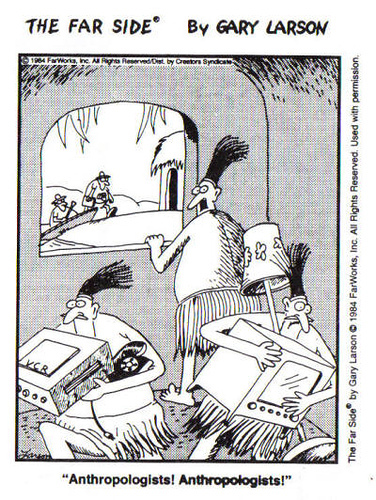
Det har vært forsket mye på folk flest, men lite på overklassen. Antropolog og trendforsker Gunn-Helen Øye skal dra til Firenze for å ta en mastergrad i luksus, skriver Aftenposten.

Hun forteller:

– Selv om jeg som antropolog og trendforsker har konsentrert meg om bolig og interiør, har jeg alltid vært ekstremt opptatt av mote og fascinert av luksusmerkenes makt. Nå får jeg anledning til å lære mer om begge deler.

– Rent faglig er jeg opptatt av distinksjoner, eller forskjelligheter om du vil; både de synlige og de usynlige. Det har vært forsket mye på folk flest, deres levemåter og verdier, men lite på overklassen. Men det er fascinerende å se hvordan alle mennesker bevisst tar i bruk objekter for å vise status. I alle samfunn til alle tider brukes visse gjenstander for å markere høyere status og avstand til andre.

– Luksus er noe som angår og påvirker oss alle. Både lavprismarkedet og mellombutikkene har en relasjon til luksusmarkedet, fordi det er dette toppsjiktet som definerer trenden for alle de andre. Og alle har en mening om luksus, enten de syns det er vulgært eller fantastisk. De “gamle rike”, Kongen, for eksempel, utmerker seg ved et diskret forbruk, mens de nyrike, som Kjell Inge Røkke, har et mye mer prangende forbruk.

– Men dette er bare ytterlighetene. De siste årene er det dukket opp interessante mellomgrupper, som for eksempel av og på-gruppen, som kjøper en enkelt luksusting av og til. Eller wannabeesen, som kjøper fake, fordi de elsker luksus uten å ha råd til den. Eller de som hater luksus på grunn av ideologiske verdier. Men alle har altså et forhold til overdådigheten.

Men dette skoleåret skal bli “et liv med luksus, ikke et liv i luksus”, forsikrer hun. Det er en managementutdannelse for folk som skal jobbe med “luxury brands” på høyt nivå. De er 12 studenter fra hele verden, det blir 40 timers uke fordelt på undervisning og feltarbeide.

>> les hele saken i Aftenposten

I Sverige har antropologer forsket mer på luksus enn i Norge.

SE OGSÅ:

Doktorgrad på Luksusforbruk: Mer forbruk! Mer luksus!

– Lite forskning på elitene

Antropolog: Uten dress ingen makt

Hagemøbler og elitenes smak

– Viktig å vite hva folk oppover i systemet tenker

Anneli Ståhlberg: Nyrike er annerledes

Shoppa dyrt – och köp dig en ny identitet

Det har vært forsket mye på folk flest, men lite på overklassen. Antropolog og trendforsker Gunn-Helen Øye skal dra til Firenze for å ta en mastergrad i luksus, skriver Aftenposten.

Hun forteller:

- Selv om jeg som antropolog og trendforsker har…
Read more

Fra Cecilie N

Hei,
her er en liten oppsummering av det vi kom fram til i dag, og planen for de nærmeste kollokviene.

NB-på grunn av problemer med mailinglista er det fint om alle som vil være med gi tilbakemelding, så har vi en backup-liste.

OPPLEGG:
Vi møtes annenhver uke, fredager kl 10:15 (når ikke annet er bestemt):

-annenhver gang holder noen av oss 15 minutters presentasjoner, for å øve på presentasjonsteknikk og få tilbakemelding på ideer vi baler med
-annenhver gang diskuterer vi en klassiker – av ny eller gammel årgang

2 personer har ansvar for hver seanse, og det er rom for fleksibilitet i opplegget.

Boken som skal leses legges opp minst en måned i forveien – og kom gjerne med innspill på mail! Fokus i diskusjonene bør være på hvordan vi kan bruke stoffet.

Det ble foreslått at f.eks. en gang i semesteret kan vi bruke seansen til å gå gjennom trender i seneste tidsskriftårganger.

KALENDER:
2/11: Nerina og Anne Kathrine presenterer
16/11: Tim Ingold kommer snart til Oslo, vi leser hans siste bok “Lines: A Brief History” (2007) (tilgjengelig i paperback på amazon.co.uk) – Cicilie F og Christian ansavarlig
30/11: Cecilie N og Stine presenterer
14/12: ?? HVEM VIL HA ANSVARET SAMMEN MED THERESE?

Annen ønskelitteratur som ble nevnt:
James Scott, Weapons of the weak : everyday forms of peasant resistance
Halbwachs, On Collective Memory
Foucault, Overvåkning og straff

Dagens tips: http://www.savageminds.org/
(linken ligger også på www.antropologi.info )

God helg!
Cecilie

Hei,
her er en liten oppsummering av det vi kom fram til i dag, og planen for de nærmeste kollokviene.

NB-på grunn av problemer med mailinglista er det fint om alle som vil være med gi tilbakemelding, så har vi en backup-liste.

OPPLEGG:
Vi…

Read more

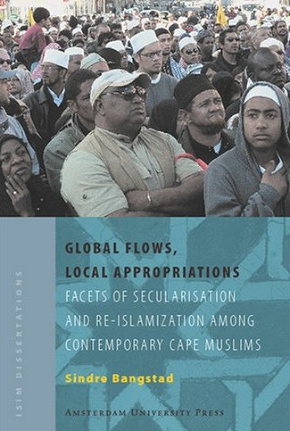
Doctoral Thesis: Is Islam Compatible with Secularism?

cover

Secularisation is often seen as a process that is associated with the “West” and modernisation, as a process that is opposed to islamisation. In his doctoral dissertation, anthropologist Sindre Bangstad shows that processes of secularisation also emerge from within Muslim communities.

Bangstads dissertation ‘Global Flows, Local Appropriations: Facets of Secularisation and re-Islamization Among Contemporary Cape Muslims’, is based on 15 months of fieldwork in Cape Town, South Africa between 2003 and 2005.

Bangstad stresses that processes of secularisation and re-Islamization are not opposed to each other. They must be seen as implicated in, and interlinked with, one another:

For instance, I demonstrate that prison ‘ulama’ in Cape Town have been able to draw on human rights notions and precepts enshrined in the Constitution in arguing for an expansion of religious rights for Muslim inmates. They have done so, in spite of the fact that the mainstream Cape ‘ulama’ are for all practical purposes opposed to many of the secular and liberal principles of the same Constitution, and many of the legislative and societal changes that they have resulted in.

(…)

It is difficult to understand the discrepancies between the normative models of the predominantly middle-class mainstream Cape ‘ulama’, and the actual practices of Cape Muslims in underprivileged townships and informal settlements, without reference to prior processes of secularisation understood as a decrease in the regulatory capacities of religious authorities.

In his dissertation, Bangstad present findings from his ethnographic research on black African conversion to Islam in the black African townships and informal settlements, on Muslim women in polygynous marriages in underprivileged communities, on Muslims living with HIV/AIDS, on the status of religious rights for Muslim inmates in a prison, as well as on public deliberations between reformists and Sufis on the appropriateness of certain Sufi rituals.

Muslims in South Africa represent a small minority, with a mere 1,46 percent of the total population in 2001. However, Muslims in Cape Town, the historical heartland of Islam in South Africa, represent approximately 10 percent of the population.

>> download the dissertation

SEE ALSO:

Doctoral thesis: Towards a transnational Islam

Extremism: “Authorities -and not Imams – can make the situation worse”

Akbar Ahmed’s anthropological excursion into Islam

New blog: Islam, Muslims, and an Anthropologist

Muslims in Calcutta: Towards a middle-class & moderation

What does it mean to be Muslim in a secular society? Anthropologist thinks ahead

Book review: Mahmood Mamdani: “Good Muslim, Bad Muslim”

Islam in Europe: Mainstream society as the provider of conditions

Islam Is Gaining a Foothold in Chiapas

How Islamic cassette sermons challenge the moral and political landscape of the Middle East

cover

Secularisation is often seen as a process that is associated with the "West" and modernisation, as a process that is opposed to islamisation. In his doctoral dissertation, anthropologist Sindre Bangstad shows that processes of secularisation also emerge from within…

Read more

”Indigenous Peoples – Migration and Urbanisation” (Tromsø)

University of Tromsø on October 18th – 19th 2007.

This year’s conference will focus on aspects of migration and urbanisation. We have asked for papers that will trace the reasons for migration, including push factors that range from poverty to forced eviction, and pull factors such as access to education and new economic opportunities. We also focus on urban living conditions and the basis for social and political organisation.

Central in the Indigenous struggle has been the close ties to the land and the quest for control over traditional territories. Still, an increasing number of Indigenous people live outside their traditional land and/or derive their means of livelihood from sources other than customary land use. A central question will then be to explore how indigenous identity is expressed and maintained in new urban settings. The speakers will in different ways address the questions above.

The conference languages will be English, Spanish and Sami.

More information: http://www.sami.uit.no/forum/2007/invitasjon.html

University of Tromsø on October 18th – 19th 2007.

This year's conference will focus on aspects of migration and urbanisation. We have asked for papers that will trace the reasons for migration, including push factors that range from poverty to forced…

Read more