search expand

Dårligere kår for tverrfaglig forskning?

Ved universitetene i Oslo og i Bergen er forskere bekymret for framtiden for tverrfaglig forskning. Til tross for fagre ord i festtalene er det blitt vanskeligere å få midler til tverrfaglige prosjekter, sa antropolog Henrik Sinding-Larsen på det allersiste seminaret til det tverrfaglige forskningsprogrammet Kulturell kompleksitet i det nye Norge (Culcom).

Culcom blir avsluttet i disse dager. Det har ikke fått fornyet støtte. De nye tverrfaglige forskningsnettverkene ved Universitetet i Oslo opererer under langt dårligere økonomiske betingelser. De har for eksempel ikke penger til å sette igang forskning, sa Terje Stordalen som leder nettverket Plurel – Religion i pluralistiske samfunn. Det er dessuten ifølge Sinding-Larsen ikke hvilken som helst tverrfaglig forskning som UiO er ute etter. De nye tverrfakultære områdene står under stort press på å formulere forskningsspørsmål som genererer eksterne midler, sa han.

>> les hele saken på Culcoms hjemmeside

Ved Universitetet i Bergen er det stor usikkerhet om framtiden for den tverrfaglige utviklingsforskningen. “Uni Globals anerkjente rolle som flerfakultær pådriver i utviklingsforskning avvikles, og et vakuum av uvisshet oppstår. Ved våre institutter og andre grunnenheter ved UiB er en utbredt bekymring for hva som nå skjer med de flerfaglige forskningsfellesskap”, skriver antropolog Edvard Hviding og statsviter Lise Rakner i et innlegg i På Høyden. Også flere andre forskere ved UiB protesterer.

Manglende satsing på tverrfaglighet er blitt kritisert før. Helge Skivenes skrev for eksempel i Samfunnsvitern:

Ser man bort i fra profesjonsstudiene, er det de tverrfaglige programmene som er de mest populære, med de høyeste karakterkravene, flittigste elevene og mest engasjerte lærerne. Men likevel opplever folk på disse programmene å falle mellom to stoler, å bli usynlig fordi universiteter bygget på en grunnmur av rigide fagdisipliner.

“Det en organisatorisk og strukturell utfordring for et universitet å få til samarbeid på tvers av faggrenser”, sa Desmond McNeill fa Senter for Utvikling og Miljø (SUM). “Dette har blitt forsterket av det faktum at bruk av tid og penger må forsvares og kontrolleres i mye større grad nå enn før”, forklarer han i en artikkel i Samfunnsvitern som heter “Frykten for det tverrfaglige“.

I et spennende seminar ifjor gikk Petter Braathen og Øyvind Vada inn for mer samarbeid mellom real- og samfunnsfagene og et maurtue-system a la Wikipedia

SE OGSÅ:

Flere antropologer inn i naturforskningen!

Antropologi og kunst (3): “Legg til side de akademiske filtrene!”

Social Neuroscience – Psychologists neuroscientists and anthropologists together

Teamwork, Not Rivalry, Marks New Era in Research

Ved universitetene i Oslo og i Bergen er forskere bekymret for framtiden for tverrfaglig forskning. Til tross for fagre ord i festtalene er det blitt vanskeligere å få midler til tverrfaglige prosjekter, sa antropolog Henrik Sinding-Larsen på det allersiste seminaret…
Read more

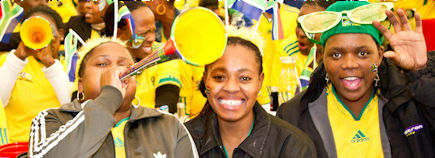
Vuvuzelas und das ungleiche Verhältnis zwischen Nord und Süd

Foto: Axel Bührmann, flickr

Die WM scheint Ethnologen zu inspirieren. Mehr und mehr Ethnologen äussern sich zur WM in Süd-Afrika, nun auch zu den Vuvuzelas, den Plastiktrompeten, die manchen Fussball-Fans im Norden am liebsten verbieten würden.

Ja, sie sind laut, doch so ist das immer in Fussballstadien. Ist es so schwierig andere Traditionen respektieren? Ist hier ein (antidemokratischer) Trend zu beobachten in West- und Nordeuropa, wo Traditionen, die man nicht mag oder versteht (wie Hijab oder Burqa) versucht zu verbieten?

Doch nun bekommt das Anti-Vuvuzela-Lager Hilfe von zwei Südafrika-Experten. “Kulturlüge: Vuvuzelas sind reiner WM-Marketinggag. Fans gehen vorgegaukeltem Bezug auf Tradition auf den Leim”, meldet die Agentur pressetext.

Gero Erdmann vom Leipzig-Institut für Globale und Regionale Studien sagt:

Die Vuvuzela ist noch sehr jung und wurde vor neun Jahren erfunden. Das traditionelle Instrument, auf das sich der Erfinder in der Vermarktung bezieht, war in der Kultur kaum präsent.

Der Würzburger Musikethnologe Bernd Clausen meint auch, der Anschluss an traditionelle Musikinstrumente sei weitgehend aus der Luft gegriffen und spricht von einem Marketing-Gag.

Doch auch junge Traditionen haben Bedeutung. Vielleicht hätten den deutschen Forscher postkoloniale Perspektiven gut getan?

Graham Hough-Cornwell hat den Diskurs vor allem auf Twitter analysiert und schreibt auf anthropologyworks:

A large portion of the tweets fall along Westerners vs. Africa, neo-imperial fault lines. Some see the vuvuzela issue as Westerners trying to control an important part of South African sporting culture

Er kritisiert auch den “Ethnozentrismus” der Kritiker, die meinen Vuvuzelas “ruinierten die traditionelle Fussballatmosfäre” mit Supportergesängen:

This particular Twitter user fails to recognize that different parts of the world have their own fan traditions, and the songs and chants familiar to many European audiences may not be so “traditional” elsewhere. In other places, drums or horns — a variation on the vuvuzela, the corneta, is popular in Latin America — might create the sound of a soccer match.

Sind es eigentlich nur die Südafrikaner, die mit den Vuvuzelas heruntröten, fragt Norman Schräpel auf wildesdenken.de? Keineswegs. Alle Nationen tröten. “Schlagen die ehemals Kolonialisierten zurück? Ja, denn die Welt trötet mit und das ist gut so”, meint der Ethnologe.

Derweil untersucht Ethnologe Matthias Gruber einen anderen Aspekt der WM, der das ungleiche Verhältnis zwischen Nord und Süd problematisiert: gefälschte Markenartikel, sogenannte Fong Kongs. Darunter befinden sich auch Trikots. Der Preis eines Original-Trikot kostet in einem Sportgeschäft in Abidjan 35 000 Francs (knapp 54 Euro) – mehr als ein durchschnittlicher Monatsverdienst, erfahren wir im Handelsblatt. Kein Wunder also, , dass die große Nachfrage nach den Hemden der Nationalmannschaft eine ganze Fälscherindustrie hervorgebracht hat

Der Handel mit Fong Kongs sei seit der Weltmeisterschaft auf Druck der Fifa zur Zielscheibe täglicher Polizeieinsätze gegen Händler und Kunden geworden. Verkäufer würden abgeführt, die Waren vernichtet, berichtet der Ethnologe:

“Diese Einschränkungen werden von vielen als ungerecht wahrgenommen und als Beispiel asymmetrischer Hierarchien zwischen dem globalen Norden und dem globalen Süden verstanden.”

Von Matthias Gruber gibt es auch den Text Fussball in Südafrika (Journal Ethnologie)

SIEHE AUCH:

Ethnologen: WM-Berichte verbreiten Vorurteile über Afrika

Zidane’s Kopfstoss: Helfen ethnologische Erklärungen weiter?

Ethnologe: “Deutscher WM-Patriotismus positiv”

Fussball: Keineswegs nebensächlich für Ethnologen

Foto: Axel Bührmann, flickr

Die WM scheint Ethnologen zu inspirieren. Mehr und mehr Ethnologen äussern sich zur WM in Süd-Afrika, nun auch zu den Vuvuzelas, den Plastiktrompeten, die manchen Fussball-Fans im Norden am liebsten verbieten würden.

Ja, sie sind laut, doch…

Read more

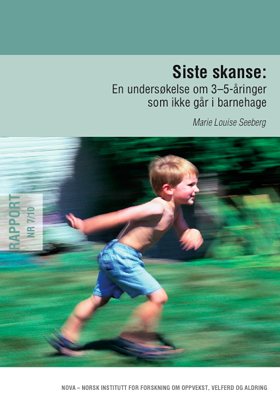
Etnifisering av forskningsresultater? Vårt Land om anti-barnehage foreldre

Antropolog Marie Louise Seeberg har undersøkt hvorfor noen (få) foreldre ikke sender barna sine til barnehagen. Sammen med en del kollegaer intervjuet hun foreldre i Oslo, Østfold, Vest-Agder og Finnmark.

Vårt Land omtaler rapporten og oppsummerer slik:

Foreldre som velger bort barnehage kan deles inn i tre grupper: Samiske foreldre som er opptatt av å bevare samisk kultur og livsform, flerkulturelle foreldre og innvandrerforeldre som ønsker at barna skal ha et solid grunnlag i morsmålet sitt før de lærer norsk – og verdikonservative foreldre som er opptatt av at familien er den beste rammen rundt et barn.

Saken ble plukket ut av NTB / forskning.no.

Jeg var litt overrasket over disse “resultatene”. Går det an å omtale disse gruppene så så upresist? Er dette virkelig de mest relevante kategoriene?

Når man tar en titt på selve rapporten, vil man finne en helt annen oppsummering:

  • Vårt materiale indikerer at foreldre som ikke benytter barnehage for sine barn, i hovedsak har god kjennskap til barnehager.
  • Foreldrene er kritiske til at barnehager tilsynelatende er tilrettelagt for arbeidslivets behov, snarere enn for barnas behov for ro og omsorg.
  • Foreldrene var opptatt av at barna skulle være godt forberedt til skolestart og var positive til barnehagens pedagogiske tilbud, men var kritiske til at barnehagens måte å løse denne oppgaven på, var den eneste rette.
  • Foreldrene ønsket selv å overføre grunnleggende kulturell kunnskap, språk og verdier til sine barn før denne oppgaven ble overtatt av barnehage eller skole.

Og ikke minst kan vi lese denne konklusjonen:

Den sterkeste fellesnevneren blant våre informanter er av ideologisk karakter, og går på tvers av klasse, etnisitet og bosted.

Dessuten er det interessant at antropologen ikke bruker betegnelsen “verdikonservativ” om informantene sine.

Jeg minner på en interessant debatt i Morgenbladet for to år siden. Der utfordret Simen Tveitereid – forfatteren av boka Hva skal vi med barn? – norsk barnehagepolitikk. Hvem er barnehager for? Er de til barnas beste? Eller handler norsk barnehagepolitikk først og fremst handler om å tilrettelegge for at våre voksne liv skal gå rundt? Hvorfor denne stilltiende enigheten om barnehagens fortreffelighet?

Seeberg er også forfatteren av boka Når velferdsstaten møter verden

SE OGSÅ:

Integrering: “Barnehagene kan gjøre mer skade enn gavn”

Antropolog for mindre lek med barna

– Ikke stakkarsliggjør foreldreløse barn!

Anthropologist calls for a greater appreciation of child labor

“We want children to be their own ethnographers”

Antropolog Marie Louise Seeberg har undersøkt hvorfor noen (få) foreldre ikke sender barna sine til barnehagen. Sammen med en del kollegaer intervjuet hun foreldre i Oslo, Østfold, Vest-Agder og Finnmark.

Vårt Land omtaler rapporten og oppsummerer slik:

Foreldre som velger bort…

Read more

Dialektus Festival – European Documentary and Anthropological Film Festival

Budapest 16.-22.6.2010

Attracting ever more attention both in Hungary and throughout Europe, Dialektus Festival pays special attention to creating opportunities for filmmakers and other trade representatives to meet each other and their audience on professional forums, targeted, thematical events besides creating an informal, inspiring, buoyant festival-atmosphere. All because we need documentaries and documentary needs us too: to discover its priceless values, to point out to the possibilities it carries, to celebrate it, to talk about it – to treat it as well as it deserves. This is our way of encouraging dialogue between European filmmakers of different countries and different cultural backgrounds, to boost the popularity and strenghten the distribution of the documentary film.

Dialëktus Festival delayed!

Due to our main sponsor’s financial difficulties, instead of our usual March date, Dialektus Festival will take place in June this year. We’ll do our best to turn this to our advantage, with open air screenings, musical entertainment, strawberries, raspberries and a beach atmosphere! We hope the fragrant summer will do justice to the films, so we suggest daytime chillouts indoors, followed by evening garden cinema sessions with spritzers and firebugs.

The delay will not otherwise affect the usual order of the Festival. This year’s Dialektus has received 191 entries from 25 European countries, and preliminary judging is now all but finished.

Two major professional events will accompany the festival:

Docucritics’ workshop

Last year’s good memories have encouraged us to follow up the documentary film critics’ work shop with coordinators Ágnes Blaskó and Balázs Varga. focus will be on the birth of dialogue, the concepts and instruments of documentary film analysis, individual writing exercises, as well as the challenge of presenting the freshly-printed works to the audience. The workshop will be held in Hungarian.

„My Deer” Project development workshop

For the first time this year, but hopefully not the last, we are organizing a project development workshop with the support of the Visegrád Fund. We welcome those documentary projects to the workshop which are still being filmed, and are set in at least two of the Visegrád countries (Czech Republic, Poland, Hungary, Slovakia). The workshop aims to nurture coproductions and support the production of European films suitable for general distribution, giving a sensitive view of the culture and everydays of Visegrád countries. The workshop will culminate in a trial pitch.

http://www.dialektusfesztival.hu

Budapest 16.-22.6.2010

Attracting ever more attention both in Hungary and throughout Europe, Dialektus Festival pays special attention to creating opportunities for filmmakers and other trade representatives to meet each other and their audience on professional forums, targeted, thematical events besides creating…

Read more

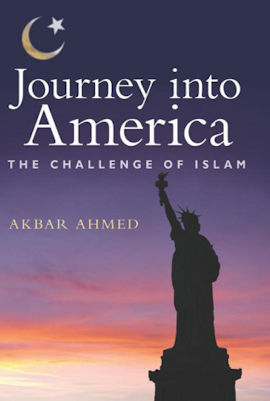
“Encouraging to see a Muslim anthropologist studying American society”

Days and weeks before the launch of the new book by anthropologist Akbar Ahmed called Journey into America: the Challenge of Islam, it was already reviewed in major Pakistani newspapers. “Usually it is Western anthropologists who study Muslim societies. It is encouraging to see a Muslim scholar returning the compliment by studying American society”, Maleeha Lodhi writes in The News.

Accompanied by several researchers, Akbar Ahmed travelled for a year to over 75 cities across the U.S., meeting a diverse array of people and visiting more than a hundred mosques.

After (too?) much research on muslim issues and media focus, it seems that eveything has been said. But his book does not seem to be one of those numerous studies on “the integration of immigrant women”. His book is also an ethnography of today’s America.

In an article in the Guardian, the anthropologist writes that he “realised that it was impossible to study Islam in America without studying America itself and its identity.”

This “reinterpretation of the competing influences that have shaped American identity” is, writes, Maleeha Lodhi, “fascinating”:

Americans, Ahmed says, need to make a choice between the concept of the country fashioned by its Founding Fathers – universal, pluralist and tolerant – , or the post-9/11 vision “which is aggressive, self-centred and suspicious of, if not hostile to, “the other”:

He traces the first and dominant primordial identity to the original white settlers of the 17th century. Fashioned by white Anglo-Saxon Protestant (WASP) settlers, this vision of a society based on justice and a rule-bound charter was however exclusionary, meant only for Christians, not Native Americans or those who were forcibly brought from Africa.

From that period also emerges a secondary identity from the pluralist tradition. This foreshadows the vision of the country’s Founding Fathers based on equality between and respect for all citizens, democracy, religious freedom, and rejection of slavery.

Dr Ahmed identifies a third identity with origins in the 17th century. This is the predatory identity which unleashed an aggressive impulse that saw Native Americans as heathens who had to be eliminated. It also justified slavery. This established the notion of zero tolerance: that any threat to society had to be permanently decimated by the full use of force. Compassion was seen as weakness and compromise as defeat.

This identity, Dr Ahmed argues persuasively, asserted itself in the post-9/11 period when America under Bush embarked on two wars and a path that saw it compromising its own laws and ideals and justifying torture and Guantanamo in the name of protecting the nation. The invasion of Iraq, the Patriot Act and secret detention centres were all actions consistent with the old predatory identity.

The book also includes a “thought-provoking comparison” between two founding fathers Thomas Jefferson and Mohammed Ali Jinnah, writes Rafia Zakaria in The Dawn. “Sadly it seems both Americans and Pakistanis are only too willing to eviscerate the commitments these two founding fathers made towards tolerance and religious pluralism.”

The anthropologist is according to Maleeha Lodhi “just as forthright in identifying the weaknesses and problems in the Muslim diaspora”. He distinguishes between three traditions: mystic (Sufism, emphasises universal humanism), modernist (balance modernity with religion) and literalist (Salafis, adhere strictly to tradition) and concludes that “modernist Muslims have provided neither leadership nor a critical mass to change the community, while mistakenly dismissing literalists as being of no consequence.”

In order to “recreate the community’s self-image and extricate it from persistent identification with 9/11 and terrorism”, Muslim American leaders need to look to the African American community. he recommends.

According to the reviewers (somehow I have the impression they’re a bit too positive…), this is a well-written book, and Daily Times reviewer Mahjabeen Islam even things it will be the “talk of the town“.

For more information see the book blog at http://journeyintoamerica.wordpress.com/ and the first chapter (pdf) as well as Ahmed’s posts at Huffington Post

Anthropologist Maximilian Forte continues his analysis of the “predatory” elements of American culture in his recent posts on Zero Anthropology, among others Team USA at the 2010 FIFA World Cup: Motivation Unthinkable without the Military and Militainment: U.S. Military Propaganda in the News Media, Hollywood, and Video Games

SEE ALSO:

Akbar Ahmed’s anthropological excursion into Islam

How can anthropology help us understand Swat and Taliban? Gustaaf Houtman interviews Akbar Ahmed

Interview with Arjun Appadurai: “An increasing and irrational fear of the minorities”

“Arabs and Muslims should be wary of anthropologists”

“The insecure American needs help by anthropologists” – AAA-meeting part II

Days and weeks before the launch of the new book by anthropologist Akbar Ahmed called Journey into America: the Challenge of Islam, it was already reviewed in major Pakistani newspapers. "Usually it is Western anthropologists who study Muslim societies. It…

Read more