search expand

Thomas Hylland Eriksen i valgkamp for De Grønne

For et par dager siden skrev jeg om antropologer som kastet seg inn i valgkampen. Her er enda en antropolog: I denne videoen forklarer Thomas Hylland Eriksen hvorfor han sympatiserer for Miljøpartiet De Grønne. Han mener det er for mye konformitet i norsk politikk og her kunne De Grønne stille spørsmål som ingen andre partier ville stilt. Men er ikke stemmer for De Grønne bortkastet? Nei, mener han: “Stem på partiet du tror på selv, og hvis mange nok gjør det, blir De Grønne et 10%-parti”.

For et par dager siden skrev jeg om antropologer som kastet seg inn i valgkampen. Her er enda en antropolog: I denne videoen forklarer Thomas Hylland Eriksen hvorfor han sympatiserer for Miljøpartiet De Grønne. Han mener det er for…

Read more

The increasing feminization of anthropology

Have you been in an anthropology class / course with more men then women? I haven’t. In both Norway, Germany and Switzerland (pluss many other places incl South Africa, I heard), the gender balance between men and women is around 25-75. Eli Thorkelson, graduate student in cultural anthropology in Chicago, gives us some statistics from American universities that present a similar picture. But as he shows, it hasn’t always been like this. And according to him, we witness both an increasing feminization of anthropology and an ongoing masculine bias.

Here are some of his comments:

– The number of doctorates awarded to women has been greater than the number of doctorates awarded to men since 1992. Males were demographically dominant in the production of doctorates until 1984, after which there were eight years of approximate equality followed by divergence.

– The number of men enrolled has been falling slightly since 1995, while the number of women enrolled has continued to increase.

– While men are no longer demographically dominant, and are even a minority (remarkably so at the undergraduate level, where women receive nearly 70% of anthropology degrees), there are still gendered principles of selection at work in the field.

Nevertheless, the most demographically striking thing here is in his opinion the overall population growth of anthropology, hundreds of percent over the decades.

>> more in Eli Thorkelson’s post “Gender imbalance in anthropology”

There are by the way many other interesting posts in his blog about academic culture and on the anthropology of anthropology!

SEE ALSO:

India is not USA : The Scientific Gender Gap Should Be Understood Comparatively

Have you been in an anthropology class / course with more men then women? I haven't. In both Norway, Germany and Switzerland (pluss many other places incl South Africa, I heard), the gender balance between men and women is around…

Read more

Ethnologin: Keine Angst vor Konvertiten!

Derzeit wimmelt es von Medienberichten über extremistische Konvertiten. In einem Interview mit der taz warnt Ethnologin Esra Özyürek davor Konvertiten pauschal zu verurteilen. Zum Islam konvertierte Deutsche leisten einen wichtigen Beitrag zur Integration, meint sie:

Sie spielen auffällig oft eine bedeutende Rolle in ihren Moscheegemeinden, ganz besonders die Frauen. Viele sind sehr aktiv im interreligiösen Dialog, organisieren deutsche Sprachkurse für Migranten oder sogar Seminare mit der Polizei, bei denen die Menschen über ihre Rechte aufgeklärt werden. Damit machen sie den migrantischen Muslimen Ressourcen zugänglich, die der Mehrheitsgesellschaft schon verfügbar sind.

Zwischen 20 000 und 100 000 Konvertiten gibt es in Deutschland. “Ich denke nicht, dass es gerechtfertigt ist, wegen so wenigen Fällen all diese Menschen pauschal zu verdächtigen”, sagt Esra Özyürek, Ethnologin an der University of California in San Diego, die derzeit an einem Projekt über Konvertiten in Deutschland arbeitet.

Sie hat u.a. Diskurse zu Konvertiten in Deutschland untersucht. Der Übergang zum Islam würde meist als etwas Aufgezwungenes dargestellt:

Vor dem 11. September war der typische Diskurs: “Unsere Frauen konvertieren, weil irgendein Mann aus dem Nahen Osten sie dazu verleitet”. Jetzt geht es um “unsere Jugendlichen”. Es wird immer direkt oder indirekt ausgedrückt, dass sie konvertieren, weil Terroristengruppen sie ausnutzen wollen. Die Konversion wird in beiden Diskursen nicht als eigene Entscheidung dargestellt, sondern als das Ergebnis eines Einflusses von “Außen”. Die religiöse Suche der Menschen steht nie im Vordergrund.

Warum? fragt die taz. Konvertiten würden als illoyal gegenüber Deutschland und dem Christentum angesehen, erklärt die Forscherin:

Weil sowieso gedacht wird, dass man als Deutscher eigentlich christlich sein sollte. Oder eben post-christlich, in dem Sinne, dass man nur noch an Weihnachten in die Kirche geht. Es wird so gesehen, dass nur so eine Person wirklich loyal zu Deutschland sein kann. Ein Konvertit wird aber nicht als loyal betrachtet, sondern als jemand, der sich von “europäischen” Werten verabschiedet hat, und deshalb gilt eine misstrauische Haltung ihm gegenüber als in Ordnung.

>> weiter in der taz

Dieses Interview unterscheidet sich in vielerlei Hinsicht von anderen Forscher-Interviews, sie u.a. Interview mit Stefan Reichmuth vom Seminar für Orientalistik und Islamwissenschaften an der Uni Bochum: Warum entscheiden sich Deutsche für den Islam? Konvertiten oft fanatisch? und Interview mit dem Soziologen Peter Waldmann: Warum Menschen zu Terroristen werden: Die Attraktivität einer Ideologie

SIEHE AUCH:

Werner Schiffauer: “Öffnung gegenüber dem Islam nicht der Terrorismusbekämpfung unterordnen”

Selected quotes from “On Suicide Bombing” by Talal Asad

Extremism: “Authorities -and not Imams – can make the situation worse”

Islamophobie in Österreich – “ein längst überflüssiges Werk”

Buchbesprechung: Unser merkwürdiger Umgang mit “Fremdem”

Derzeit wimmelt es von Medienberichten über extremistische Konvertiten. In einem Interview mit der taz warnt Ethnologin Esra Özyürek davor Konvertiten pauschal zu verurteilen. Zum Islam konvertierte Deutsche leisten einen wichtigen Beitrag zur Integration, meint sie:

Sie spielen auffällig oft eine bedeutende…

Read more

Ethnologie und die Sehnsucht nach dem Tod

Vor drei Jahren hat sich sein bester Freund das Leben genommen. Den Ethnologen Falk Blask liess das Thema Suizid seitdem nicht mehr los. Schliesslich bot er ein Uni-Seminar zur Sehnsucht nach dem Tod an. Die Ausstellung “Sterben wollen. Denkraum Suizid” in Berlin ist Ergebnis dieses Seminares, so die Mitteldeutsche Zeitung.

Zum heutigen Welt-Suizid-Präventionstag symbolisieren alte Haustüren mitten in Berlin den freiwilligen Ausstieg aus dem Leben. Mehr als 9000 Menschen bringen sich in Deutschland jedes Jahr um. Weltweit sind es eine Million.

Einen normalen Umgang mit dem Thema Suizid gibt es nicht, prangern die Ausstellungsmacher an. Es ist immer noch ein Tabu-Thema. Sie hatten in all den Jahren ihrer Männerfreundschaft über vieles gesprochen, aber nie über den Tod, erzählt Ethnologe Falk Blask.

Doch der Bedarf darüber zu reden scheint gross zu sein. Blask schrieb das Suizid-Seminar für 15 Teilnehmer aus. Doch als er zur ersten Stunde kam, sassen da 90 Leute. Und niemand war bereit, wieder zu gehen.

Vielleicht liegt es daran, dass viele jemanden kennen, der sich das Leben genommen hat oder es versucht hat. Ja, nun weiss Blask, dass viele seiner Studenten ähnliche Erfahrungen haben wie er: Freunde, Eltern oder Geschwister nahmen sich das Leben.

>> weiter in der Mitteldeutschen Zeitung

Vermeidung braucht Öffentlichkeit heisst passenderweise der Text auf pressetext.at . Selbstmordprävention solle in Nachrichtensendungen oder auf Titelblättern denselben Stellenwert bekommen wie dies der HIV/Aids-Problematik bereits gelungen ist, so Georg Fiedler von der Deutschen Gesellschaft für Suizidprophylaxe. “Mehr Aufmerksamkeit und eine Enttabuisierung des Themas wären wünschenswert.”

Menschen nehmen sich das Leben aus verschiedenen Gründen. Persönliche Krisen werden verschlimmert durch gesellschaftliche Entwicklungen. Mehr Selbstmorde durch Krise erwartet, meldet der Stern Vor allen Dingen ältere Menschen denken an Suizid, erfahren wir bei domradio.de Und die taz schreibt über Selbstmord als Machtinstrument: Milliardär Adolf Merckle liess sich vom Zug ueberollen nachdem sein Unternehmen Konkurs ging. In dieser Ohnmacht wollte er noch einmal Macht beweisen – über das eigene Leben und den eigenen Tod. Zum Recht, sich das Leben zu nehmen, hat Michal Kolesar einen interessanten Text geschrieben: “Wert des Lebens“.

Selbstmord ist ein komplexes Thema, das fachlich von Psychologen und Medizinern dominiert wird. Inspiriert vom Selbstmord einer guten Freundin (einer Ethnologin uebrigens) habe ich letzte Nacht den Text “The Anthropology of Suicide” geschrieben. In den Wochen und Monaten nach ihrem Tod hab ich mir oft die Frage gestellt, ob ihr Leben haette gerettet werden koennen, wenn mehr ueber solche Themen geredet wuerde und wir damit mehr ueber “psychische Probleme” Bescheid wuessten – ein Bereich wo auch unser Fach wichtige Arbeit zu leisten hat.

Vor drei Jahren hat sich sein bester Freund das Leben genommen. Den Ethnologen Falk Blask liess das Thema Suizid seitdem nicht mehr los. Schliesslich bot er ein Uni-Seminar zur Sehnsucht nach dem Tod an. Die Ausstellung "Sterben wollen. Denkraum Suizid"…

Read more

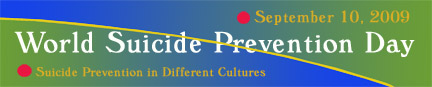
The Anthropology of Suicide – World Suicide Prevention Day

(Links updated 9.9.2019) It was around four months ago, I received the message of my friend’s sudden death. “Nobody knows”, I was told, “why she stepped in front of a train”. Afterwards I often wondered if her life could have been saved if we as a society had known and talked more about so-called mental health issues.

For these topics are still taboo. I was shocked to hear the stories from friends and colleagues who I told about what had happened: Many of them suddenly started telling about people they knew who have tried to end his/her life or who have committed suicide. They even mentioned people I know. Worldwide, more people die by suicide than by criminal acts or war – around one million per year. And up to 20 million people try to take their life every year. Europe and Asia have the highest suicide rates.

But this topic is hardly discussed. Neither in media (it was banned in Norwegian media until one year ago) nor in social sciences. The World Suicide Prevention Day that is held today (10.9.) wants to “improve education about suicide, disseminate information, decrease stigmatization and, most importantly, raise awareness that suicide is preventable”.

What is going on in a person’s mind who has decided to step in front of a train? Many people – around one in ten – have contemplated suicide, but only a minority of them made an attempt. Why did they take this step? What has happened in their life? How could the worsening of their situation have been prevented? Are there warning signs? Would psychological treatment have helped? But after all those horrible stories about mental health clinics – can we trust such institutions? Might they even increase the risk of suicide? And is suicide always committed by people who are ill? Maybe their decision to end their life is rather rational and should be respected? Will it therefore be wrong – and selfish – to force people to continue living?

After lots of discussions with friends and googling the same terms again and again, I learned that there are no simple answers.

I also found out that literature about suicide is dominated by psychology and biomedical sciences. Committing suicide is presented as an individual issue. People who commit suicide seem to be people who for some reason no longer were able to cope with their life. There was something “wrong” with them. But maybe there is also something wrong with society or with specific developments? According to Eugenia Tsao, there many reasons why anthropologists should politicize mental illness.

Maria Cecília de Souza Minayo, Fátima Gonçalves Cavalcante and Edinilsa Ramos de Souza write in their paper Methodological proposal for studying suicide as a complex phenomenon in the journal Cadernos de Saúde Pública that “few studies have simultaneously examined the individual, social, anthropological, and epidemiological aspects of suicide”. The micro and macro dimensions “remain dissociated in polarities that prioritize either the individual or society.”

They present an interdisciplinary approach to suicide that also includes an ethnographic study in a mining town. They show how the increase in suicide rates can be explained by a mix of factors, like radical structural changes that preceded and followed privatization of the mining company and also personal life histories of the workers.

But there seems to be an growing awareness also among researchers in biomedical sciences that their approach is reductionistic.

In a book review in the journal Jama – Journal of the American Medical Association, Antolin C. Trinidad explains that “suicide is best approached by getting out of the confines of biomedical sciences and into the domains of anthropology, sociology, and disciplines in the humanities”:

It is not a surprise that physicians spend the lion’s share of whatever interest they have in suicide studying its prevention, treatment, and the sundry clinical bullets that are potentially deployable in the clinics, rather than its history or the vicissitudes of individual despair and anguished self-awareness of pain that breed self-destruction. This is exactly what John C. Weaver, author of A Sadly Troubled History: The Meanings of Suicide in the Modern Age, calls “meta-pain.”

And also Diego De Leo calls in his editorial Why are we not getting any closer to preventing suicide? in the British Journal of Psychiatry for “multi-disciplinary teams to set up more integrated approaches for large- scale, long-term and thoroughly evaluated projects”. But “multi-disciplinary approaches to the prevention and investigation of suicide are often flagged up but virtually never practised”.

Anthropologists have been almost completely silent concerning the problem of suicide, writes Stefan Ecks in the abstract of his paper “Suicide: reflexions on Medical Anthropology research of suffering”. For hardly any other topic presents such great methodical and ethical difficulties for Medical Anthropology research:

Many methods that normally are standard for Medical Anthropology studies have to be radically re-evaluated when researching suicide: What role, for instance, does “participant observation” play in the context of extreme “tabooisation” on the part of the relatives? When is it acceptable to talk with relatives, how much time must have gone by? Also the ethical aspects of such research are enormous: Trauma, shame and speechlessness turn direct interviews into an ethically questionable method. How can suffering caused by suicide be examined as phenomenon in social context?

But Falk Blask who has taught suicide in his anthropology classes in Berlin, soon found out that it is a topic that attracts students. He prepared the course for 15 students, but 90 showed up according to today’s Mitteldeutsche Zeitung (updated link). Blask isn’t interested in suicide for no reason: Three years ago, one of his best friends took his life.

In his paper Urug. An Anthropological Investigation on Suicide in Palawan, Philippines (published in the journal Southeastasian Studies in 2003), Charles J. H MacDonald gives an overview over anthropology and suicide.

Also MacDonald states that anthropologists have dealt with suicide and suicidal behavior “much less frequently than their colleagues in the other social sciences”. He didn’t travel to the Philippines to study suicide either. But ever since he set foot on that place, he heard constant references to self-inflicted death. Figures show that the suicide rates are probably the highest or second highest in the world:

Why? Why would suicide, in such staggering numbers, affect those people whose society and culture is in no basic way different from other Palawan people, their immediate and non-suicidal neighbors in the hills and mountains of Southern Palawan? Why would such happy-looking and comparatively well-off people, going about their lives in orderly fashion, fall victims to despair? So far I have found no clear answer. The phenomenon remains mysterious and a complete puzzle.

Suicides, I want to conclude, are not primarily a sign of “that there was something wrong with a person”, but also that something might be wrong with society as a whole. Suicide prevention does not only or necessarily mean preventing people from committing suicide but also working towards a society where there are no reasons to take one’s life.

Unfortunately, these larger societal factors are totally missing in the current campaign for the World Suicide Prevention Day. Suicide prevention is also a political question. But the International Association for Suicide Prevention focuses on individual or so-called cultural factors (“People who are alienated from their country and culture of origin are vulnerable to various stresses, mental health problems, loneliness and suicidal behaviour.”).

I would like to leave you with maybe the best article about suicide that i found in the section mental illness at neuranthropology . It is A Journey through Darkness by Daphne Merkin. It actually answers all my questions that I asked in the beginning. Merkin’s beautifully written text also shows that there are no final answers.

I found also this article with facts about suicide and depression and how to help very helpful

SEE ALSO:

Why anthropologists should politicize mental illnesses

Shanghai: Study says 1 in 4 youths thinks about taking own life

Financial expert jumped in front of train after predicting recession

Vandana Shiva: The Suicide Economy Of Corporate Globalisation

UPDATE 9.9.2019: It seems a lot has happend since I wrote this post ten years ago. Just search anthropology AND suicide, f.ex. the section on suicide in the Anthropological Perspectives on Death blog or the post about Special Issue: Culture, Medicine and Psychiatry, “Ethnographies of Suicide” at Somatosphere or Situating Suicide as an Anthropological Problem: Ethnographic Approaches to Understanding Self-Harm and Self-Inflicted Death by James Staples and Tom Widger

(Links updated 9.9.2019) It was around four months ago, I received the message of my friend's sudden death. "Nobody knows", I was told, "why she stepped in front of a train". Afterwards I often wondered if her life could…

Read more