search expand

Do they really need our “help”? New Anthropology Matters is out

What kinds of theoretical insights have emerged from the anthropology of development? What can anthropologists learn from development work? Anthropology Through Development: Putting Development Practice into Theory is the topic of the new issue of the open access journal Anthropology Matters that was released a few days ago.

This issue, edited by Amy Pollard and Alice Street, consists of four interesting articles.

In Beyond Governmentality: Building Theory for Weak and Fragile States, Priscilla Magrath calls for a better understanding of “weak states”:

(A)nthropological theory, drawing on Western European philosophy and political history, appears focused on strong governments, highlighting the potential dangers of excessive government, rather than the challenges of weak government.

Detailed ethnographies of the development encounter, including those undertaken by development practitioners themselves, can provide a foundation for building new theory to address contemporary issues, such as those faced by governments and the governed living in ‘weak and fragile states’. Such studies can enrich our understanding of development processes, while helping to bridge the gap between ‘applied’ and ‘theoretical’ anthropology.

Reconstruction efforts after the tsunami is the topic of Sonia Fèvres paper Development ethnography and the limits of practice: a case study of life stories from Aceh, Indonesia.
Development anthropology has an important part to play in contributing to the design and evaluation of humanitarian aid, she explains. Ethnographers should in her view not limit themselves to a meta-analysis of the development framework itself, or the anthropology of development.

Antonie L. Kraemer explains in Telling Us your Hopes: Ethnographic lessons from a communications for development project in Madagascar why it might be a good idea to turn informants into ethnographers.

She calls for “a more publicly engaged anthropology which does not merely “translate” other cultures, but which opens up for people to conduct their own ethnographic research by asking their own questions and capturing each other’s voices, stories and hopes as ethnographers in their own right.”
The anthropologist’s role should include “giving voice to marginalised people by facilitating access to written and online media, providing the necessary background context, and by translating and communicating joint research findings to key audiences, including the narrators themselves, the media and relevant decision makers.”

It might be fruitful to read her article together with Chris Campregher’s text Development and anthropological fieldwork: Towards a symmetrical anthropology of inter-cultural relations.
Here he questions popular assumptions about “voiceless people” and asks: Do they really need our help?

“Even as a trained anthropologist sensible to questions of ethnocentrism and cultural alterity”, he writes, “I relied on this basic imagery of the poor and marginalized when I started to work for the first time in Central America. How not to? Engaging in development work implies that there will be some class of people who need support of some kind.”

Inspired from Science and Technology Studies (STS), he argues that anthropology should strive to become more symmetrical:

The interesting question that STS poses to us as anthropologists is the following: STS scholars state that they need to treat science and its outcomes (“scientific facts”) with the same methodological scrutiny that they use to explain “wrong” statements. So, how can development agents and anthropologists continue to differentiate between scientifically legitimized “knowledge” and culturally constrained “beliefs” of local communities?

Anthropologists should question and study their own methodologies, concepts, and actions in the field in the same way they study their informants. This, he thinks, “will not only lead to a new way of looking at the anthropologist as an actor in the field, but also represents a strategy favourable to those of us who work as applied anthropologists.”

>> Overview over the new issue

What kinds of theoretical insights have emerged from the anthropology of development? What can anthropologists learn from development work? Anthropology Through Development: Putting Development Practice into Theory is the topic of the new issue of the open access journal Anthropology…
Read more

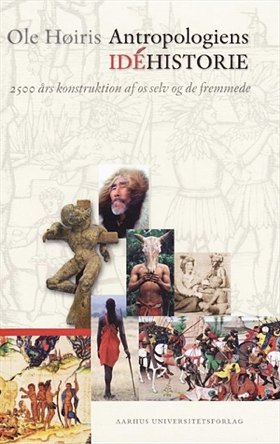
Slakter antropologiens idehistorie

Hvordan så antropologien ut før den fantes? Ole Høiris gir oss svar på dette spørsmålet i sin nye bok Antropologiens idéhistorie. 2500 års konstruktion af os selv og de fremmede.

Bokas tittel gjør en nysgjerrig, men anmelder Hans Gregersen er ikke særlig overbevist. Han savner et tverrfaglig perspektiv på antropologiens forhistorie som inkluderer innsikten fra de “gamle fagene” klassisk filologi, teologi og filosofi.

Til tross for “meget begejstring i undersøgelsen” er verdien av boken “tvivlsom”, skriver han i Nordjyske

De gamle fags forskningstradition er mærkeligt fraværende, og det gør bogen uegnet som tværfag betragtet.

Den løber åbne døre ind med gamle indsigter, og Høiris kommer aldrig i dialog med andre fag end antropologien.

Den nye viden for den belæste antropolog er i realiteten en genopdagelse af verdener, som de gamle fag som fx klassisk filologi, teologi og filosofi har bedre styr på og mere forfinede metoder til at afdække. 


 >> les hele anmeldelsen i Nordjyske

SE OGSÅ:

Ros og slakt for ny bok om polarforsker Knud Rasmussen

– Han moderniserte antropologien

Kritisk oppgjør med seg selv og antropologien

Hvordan så antropologien ut før den fantes? Ole Høiris gir oss svar på dette spørsmålet i sin nye bok Antropologiens idéhistorie. 2500 års konstruktion af os selv og de fremmede.

Bokas tittel gjør en nysgjerrig, men anmelder Hans Gregersen er ikke…

Read more

Idol og Afghan Star: Slik holder talentprogrammer samfunnet sammen

I september kom antropologenes rapport om svensk Idol. I oktober ble filmen om Afghan Star vist på Film fra Sør festivalen i Oslo. Både film og rapport leverer gode grunner på hvorfor man ikke burde se ned på programmer som Idol.

AFGHAN STAR DOCUMENTARY trailer

Ikke bare i Norge, Sverige eller USA er Idol en stor TV-begivenhet. Hverdagen stopper også opp i Afghanistan når det er tid for Afghan Star. Hver tredje afghaner setter seg foran nærmeste TV. Kandidatene kjører en skikkelig valgkamp med plakater og høylytte oppfordringer fra kjørende biler om hvem du bør stemme på. For mange er Afghan Star-valget mer spennende enn de politisk valgene, får vi vite.

Og kanskje er Idol-valget faktisk (minst) like viktig. Afghan Star fremmer kosmopolitisme, dvs samhold og identifikasjoner på tvers av konvensjonelle skillelinjer. I motsetning til politiske valg er det vanlig å stemme på kandidater fra andre etniske eller sosiale grupper, også grupper som man har vært i langvarig konflikt med.

Afghan Star har også betydning for kvinnesaken. Tre av opprinnelig 2000 deltakere var kvinner og de tre var faktisk blant de siste 10. Kvinnene utfordrer konservative synspunkter, for eksempel at kvinner ikke bør synge eller danse. Ingen framskritt uten opprør!

“Seeing how important a music TV show was to the people of Afghanistan, while producers and contestants literally risked their lives – made me understand the power of media in an amazing new way”, sier regissør Havanna Marking i et intervju med Indiewire.

Musikk var forbudt under Taliban-regimet. Men som det ble vist under filmen, så håndterte befolkningen forbudet på en kreativ måte: Musikk ble spilt og solgt i det skjulte. Filmen inneholder også klipp fra 70-tallet der Afghanistan (konsert med et eksperimentelt synthband som lignet på tyske Kraftwerk). For ikke så lenge siden var Afghanistan et liberalt samfunn.

Intervju med regissør Havanna Marking:

IDFA 2008 | Report | Interview with Havana Marking

Det er interessant å se hvordan filmen blir tolket. Jeg ser hverdagskosmopolitisme, motstand mot konvensjoner, kreativitet og ikke minst mangfoldet innenfor det afghanske samfunnet. Jeg er glad over at vi blir kjent med landet på en langt mer avslappende måte enn ellers, nemlig via hverdagslivet. Filmen viser afghanere ikke som eksotiske andre.

“Afghan Star” subverts the cliché image of Afghanistan as a nation of intractably primitive, superstitious tribespeople who have little in common with Westerners”, skriver New York Times. Helt enig!

Men langt fra alle lager koplingene mellom “oss” og “dem” like bra som for eksempel Michael Sragow i The Baltimore Sun som skriver “Most Americans are aware of religious subcultures that ban dancing.”

Andre ser filmen som en bekreftelse på Vestens overlegenhet og at det var en god ide å invadere Afghanistan. Flere anmeldere setter opp en kontrast mellom den “frie Vesten” og den “bakvendte islamske verden” der kvinner blir undertrykt. De skriver varianter av denne kommentaren som jeg fant i kommentarfeltet til en ellers ålright anmeldelse

Modern clothes but medieval mentality seem to be a strange contrast.What’s the problem with these Muslim men? Are they animals, driven by instinct only, that their passions become uncontrollable at the sight of a woman’s hair? Thank God I live in an enlightened and modern society in Europe where enlightened and intelligent men, do not feel threatened by their women.

Ofte tolkes filmen slik at det ikke er afghanerne selv, men amerikansk kultur (=Idol) som “moderniserer” Afghanistan. Joe Williams skriver i STLtoday:

If the invasion was intended to drag Afghans into the modern age, it would have been easier and cheaper, if not more humane, to just send them Paula Abdul.

At denne typen TV-programmer kan ha en integrerende effekt er blitt vist flere ganger tidligere. Et eksempel er Idol i Malaysia. “Malaysian Idol is a space for young people of different ethnicity, faiths and cultures to interact” ifølge antropolog Wan Zawawi Ibrahim.

Tidligere i år skrev jeg om et paper om Eurovision Song Contest der antropolog Marijana Mitrovic viser at arrangemenet skaper nye former for samhold i Europa, ikke minst på Balkan.

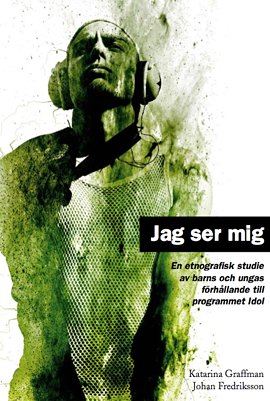
For et par uker siden lanserte antropologene Katarina Graffman og Johan Fredriksson fra firmaet Inculture rapporten Jag ser mig om svensk idol. På oppdrag av Medierådet studerte de barnas unges forhold til programmet.

Også her står det sosiale aspektet sterkt. “Idol fungerar som en ”lägereld” kring vilken familjen samlas under fredagskvällen”, skriver de. “För några i studien är det själva upplevelsen av att sitta tillsammans med familjemedlemmarna och ha ”fredagsmys” snarare än tv-programmet i sig som är viktigt.” Det finnes få andre programmer som er like samlende fra barnas perspektiv. Det foregår også mye sosialt sammen med venner siden TV-titting skjer samtidig med chatting, facebooking og youtubing der man kommenterer det man ser på TV.

“Men vid nästa fredagsmys med dina barn, försök att förstå hur de reagerar på olika situationer i ”Idol””, skriver Katarina Graffman i Aftonbladet. “Tiderna förändras, känslor och attityder med dem. Det gäller att hänga med och inte döma utifrån egen förförståelse, för då skapar vi bara ett intolerant samhälle med generationer som inte förstår sig på varandra. Det gäller att hänga med och inte döma utifrån egen förförståelse, för då skapar vi bara ett intolerant samhälle med generationer som inte förstår sig på varandra”.

OPPDATERING: På Høyden skriver om Torgeir Uberg Nærlands forskning på dansebandens betydning for demokratiet

I september kom antropologenes rapport om svensk Idol. I oktober ble filmen om Afghan Star vist på Film fra Sør festivalen i Oslo. Både film og rapport leverer gode grunner på hvorfor man ikke burde se ned på programmer som…

Read more

The poetics of revolt

A journalist just phoned and reminded me that the riots in the French suburbs started this day five years ago. [teaserbreak] The 27th of October 2005, two teenagers, Zyed Benna and Bouna Traoré, were burnt to death in a transformer after having been pursued by the police for an identity control. I still remember the very strange TV appearance of the then interior minister Sarkozy, who just hours after their death could state with certainty a lot of things (no police had followed them, they had a criminal record…) without waiting for any inquiry. Then the burning, of cars, schools and public building, started and lasted for three weeks.

I had just cycled through the rain from the kindergarten, under an incredibly dark and low autumn sky, and I was very far away from revolt and poetry that the journalist on the phone wanted to know about. – Yesterday, someone asked about what’s going on in Malmö. In-between the intense and consuming writing of a methods chapter, the exploration of a therapeutic space in slam poetry and the ontological possibilities hidden within slam as ritual in its own right, a 2-years-old’s infectious enthusiasm of everything around us and the necessities of everyday life, I have a vague impression that something’s going on in Malmö, but I can happily admit that I’ve nothing to say about it. The poetics of revolt, on the other hand, one must always be able to say something about.

And I think a little bit about how much I appreciate that the French (and the Greeks) exist, and that they do what we all should be doing. “How can they make all this fuss about having to work until… [that the age of retirement is delayed from 60 to 62 is a journalistic, or political, simplification, but that is not the point here],” people say. It’s not only that, of course. Have we all forgotten how much money the banks got recently? And of course they are fed up with President “clear-with-high-pressure-cleaner” & “Ministry-of-National-Identity” Sarkozy. But neither that is my point here. The point is that they do it, and I like thinking about it as I watch the rain and gray sky and get ready to jump back into the anthropology of therapy and ritual. (And smile while I listen to

by Keny Arkana :-) )

A journalist just phoned and reminded me that the riots in the French suburbs started this day five years ago. [teaserbreak] The 27th of October 2005, two teenagers, Zyed Benna and Bouna Traoré, were burnt to death in a transformer…

Read more

Verständliche Wissenschaft: Der Siegeszug der Science Slams

Mit Zeichentrickserien seine Forschung über die Lebenswelt indischer Migranten erklären? In höchstens 10 Minuten? Auf einer Konzertbühne, während die Zuhörer Bier trinken?

In immer mehr Städten werden Science-Slams veranstaltet, wo Wissenschaftler auf möglichst unterhaltsame und anschauliche Weise ihre Forschungsprojekte erklären. Wie bei einem Poetry Slam bestimmt das Publikum dann einen Sieger.

In Münster lockte dieser Wissenschaftswettstreit letzte Woche wieder viele Zuschauer, meldet die Münstersche Zeitung. Lange Schlangen vor dem Eingang. Viele mussten wieder nach Hause gehen. Es gab nur 350 Plätze.

Science Slam vom 18. Oktober - der Lokalzeit-Rückblick

Darunter war laut ddp auch Ethnologin Julia Koch. Sie verweiste auf den aus der US-amerikanischen Zeichentrickserie “Simpsons” bekannten Inder Apu, um den Zuhörern das Leben indischer Migranten in Südafrika, speziell deren Heiratspraktiken, nahezubringen.

“Unsere Forschung wird ja zu einem großen Teil durch öffentliche Gelder bezahlt. Ich finde, da hat jeder das Recht zu erfahren, was wir da machen”, sagt Biochemiker Patrick Seelheim in der WELT.

Mehr zu Science Slams auf http://scienceslammuenster.blogsport.de und http://www.scienceslam.org

Science Slam - zehn Minuten für die Wissenschaft

Vorträge auf Konferenzen sind oft eintönig. In letzter Zeit ist mit vielen neuen Präsentationsformen experimentiert worden, siehe meine früheren Beiträge Pecha Kucha – the future of presenting papers? und die Kommentare zu Beware: No Pecha Kucha allowed without consent from Tokyo.

Mit Zeichentrickserien seine Forschung über die Lebenswelt indischer Migranten erklären? In höchstens 10 Minuten? Auf einer Konzertbühne, während die Zuhörer Bier trinken?

In immer mehr Städten werden Science-Slams veranstaltet, wo Wissenschaftler auf möglichst unterhaltsame und anschauliche Weise ihre Forschungsprojekte erklären.…

Read more