search expand

The return of colonial anthropology?

“A dysfunctional ethnic and tribal brawl has been the norm in Afghanistan for centuries. Afghanistan is a mess. ” Who said that? A frustrated U.S. military officer? No, a professor of anthropology, Robert L. Moore.

In his article Tribes, Corruption Ail Afghanistan in The Ledger he shares his concerns about the difficulties for “us” (=the U.S. military) to “push this contentious country into the 21st century” and turn it into a “normal, stable country” that will be “governable in the way that most nations are”.

His main point: Afghanistan is an ethnic and religious mess:

Afghanistan is a mess. It is populated by a multitude of ethnic groups, the dominant ones being Pashtun, Tajik, Hazara and Turkic. Many of these groups are further subdivided into traditional tribes whose members regard loyalty to their tribe or clan as more vital than loyalty to any nation or government. Alongside these tribal and ethnic divisions are religious differences that separate Shi’a from Sunni Muslims. The upshot of all this is that Afghanistan is not governable in the way that most nations are.

“In this harsh landscape”, he continues, “our efforts to “stabilize” Afghanistan cannot bring about rapid dramatic change”:

There are areas of Afghanistan, mainly non-Pashtun regions, where the Taliban are deeply distrusted and in these areas our troops might be welcomed. But would our fighting on behalf of, say, Tajiks (who, by the way, are ethnic cousins of Iran’s Persians) help solve Afghanistan’s long-standing problem of ethnic conflict? It is more likely to simply add another dimension to the dysfunctional ethnic and tribal brawl that has been the norm in Afghanistan for centuries.

Ethnic mess – apartheid as ideal? U.S-military=”us”. “Anthropology= serve those in power” – Sounds like 19th century colonial anthropology!

Over at Zero Anthropology, Maximilian Forte gives an overview over European press coverage of U.S. Army’s Human Terrain System and its embedding of civilian social scientists in Afghanistan and Iraq.

SEE ALSO:

Sheds light on the collaboration between science and colonial administration in Naga ethnography

Army-Anthropologists call Afghans “Savages”?

“No wonder that anthropology is banished from universities in the ‘decolonized’ world”

The dangerous militarisation of anthropology

The Five Major Challenges for Anthropology

“A dysfunctional ethnic and tribal brawl has been the norm in Afghanistan for centuries. Afghanistan is a mess. ” Who said that? A frustrated U.S. military officer? No, a professor of anthropology, Robert L. Moore.

In his article Tribes, Corruption Ail…

Read more

Schaut, so exotisch sind die!

Wow! Montagsinterview mit einem Ethnologen in der taz. “Das Paradies der Südsee war immer ein Mythos”. Vielversprechende Ueberschrift. Beginnt gut. Markus Schindlbeck hinterfragt Klischees. Kritisiert mangelnde Investitionen ins Ethnologische Museum in Dahlem, wo er arbeitet.

Doch dann handelt der Rest eigentlig um das Gewöhnliche: Schaut, so fremd und exotisch sind die anderen. “Die Leute sind ganz anders als wir”, sagt er. Bis vor kurzem haben sie in den Bergen Papua Neu Guineas noch so gelebt wie in der Zeit vor den Europäern. Doch nun hat die Zivilisation Einzug gehalten. Eurozentrismus will der Ethnologe herausfordern. Macht er dies in diesem Interview?

SIEHE AUCH

Fieldwork in Papua New Guinea: Who are the exotic others?

Auf zum Zoo der archaischen Riten in Papua New Guinea!

Bilderbuch-Ethnologe ueber gebratene Papageien, Zauber und Sex im Dschungel

Ethnologie-Einführungen und die Sonderstellung der deutschen Ethnologie

Wow! Montagsinterview mit einem Ethnologen in der taz. "Das Paradies der Südsee war immer ein Mythos". Vielversprechende Ueberschrift. Beginnt gut. Markus Schindlbeck hinterfragt Klischees. Kritisiert mangelnde Investitionen ins Ethnologische Museum in Dahlem, wo er arbeitet.

Doch dann handelt der Rest…

Read more

– Ethnisierung verhindert Frieden

Kirgisien: Ethnischer Konflikt nur vorgeschoben, meldet pressetext.ch.

In dieser Pressemeldung warnt Ethnologin Sophie Roche vor einer Ethnisierung des Konfliktes.

Die Lage in Kirgisien verschärfe sich unnötig, wenn Politiker und Medien die jüngsten Konflikte in der Ex-Sowjetrepublik vereinfacht als Auseinandersetzung von Volksgruppen darstellen, sagt sie:

“Man wird der Situation viel eher gerecht, wenn man die Spannungen als Folge der wachsenden Bevölkerung, der Jugendarbeitslosigkeit oder des Ressourcenkampfes ansieht. Die Ethnisierung, die die Medien betreiben, schaukelt die Lage nur auf und verhindert Frieden.”

Bereits zwei Wochen zuvor hatte eine andere Ethnologin – Judith Beyer – in einem Interview mit dem Deutschlandradio erklaert, warum Ethnizität nicht der Auslöser des Konfliktes ist.

Ethnifizierende Medienberichte sind gang und gäbe. Die Welt schreibt zum Beispiel über die “von ethnischer Gewalt erschütterte Stadt Osch in Kirgistan”, und auch die taz bietet keine alternativen Perspektiven, das Blatt schreibt mehrmals von “ethnischen Unruhen”.

SIEHE AUCH:

Ethnologe: “Ethnien und Religion sind keine Kriegsursachen”

Cameroon: “Ethnic conflicts are social conflicts”

Really an ethnic conflict? An anthropologist on the Kenya-crisis

Thesis: That’s why there is peace

Kirgisien: Ethnischer Konflikt nur vorgeschoben, meldet pressetext.ch.

In dieser Pressemeldung warnt Ethnologin Sophie Roche vor einer Ethnisierung des Konfliktes.

Die Lage in Kirgisien verschärfe sich unnötig, wenn Politiker und Medien die jüngsten Konflikte in der Ex-Sowjetrepublik vereinfacht als Auseinandersetzung von Volksgruppen…

Read more

Reindrift = samer mot nordmenn?


Running. Foto: zetson / Bada Bing, flickr

(Lenker oppdatert 4.12.2020) Bønder og samer krangler om reinen, skriver Aftenposten. Men det første som antropolog Cecilie Elen Myrnes la merke til var vennskap mellom nordmenn og samer. Nordmenn var til og med integrert i den daglige reindriften.

“Til min store overraskelse, var vennskap mellom samer og fastboende noe av det første jeg observerte i felten”, skriver Myrnes i masteroppgaven Vi møtes på halvveien? En studie av relasjoner mellom den fastboende befolkningen og reindriftssamer i et sørsamisk område.

Som i Finnmark har det vært en del konflikter knyttet til reindriften i Sør-Trøndelag, også etter Selbu-dommen. Men å framstille konflikten som etnisk slik det ofte gjøres i mediene (“nordmenn mot samer”) har Myrnes lite sans for. Nettverk som krysser etniske grenser er nemlig heller regelen enn unntaket i det sørsamiske området.

Antropologen – som har norsk-samisk-kvensk familiebakgrunn – var spesielt overrasket over at ikke-samiske nordmenn er integrert i reindriften. På en vårflytting trodde hun først først at alle som var med var reindriftssamer. Men der tok hun feil. Fem av dem var ikke samer, men venner av reineierne. De hadde vedlikeholdt nære relasjoner til samene over mange år og ble så godt kjent med reindriften at de har fått status som ”innenfor” i reindriften selv om de ikke var samer.

“Det at nordmenn blir inkludert i så stor grad i den samiske reindriftskulturene var ikke jeg kjent med”, innrømmer hun.

Mange reineiere har dessuten funnet sine ektefeller og samboere i den norske lokalbefolkningen. Mange fra den norske lokalbefolkningen har altså slektninger eller har et utvidet nettverk hvor samer inngår i vennekretsen. Man kan derfor kunne anta at de etniske grensene blir visket ut i noen grad, skriver forskeren.

Hun skriver også om ulike typer økonomisk samarbeid og om bytterelasjoner som er enda mer utpreget enn verdde-ordningen som Harald Eidheim hadde beskrevet tidligere. Hun minner på at dagens reindrift også skaper arbeidsplasser for ikke-samer.

“Selv om konflikt om utmarksressursene har vært sentral i relasjonene mellom samer og nordmenn, så har ikke de økonomiske interessene stått i veien for et symbiotisk forhold mellom partene”, konkluderer hun.

Man kan være litt overrasket over at hun var så overrasket over at det fantes så mange “transetniske” nettverk. Men det er nok slik at den offentlige urfolksdiskursen er preget av svart-hvit-tenkning som usynliggjør nettopp slike forbindelser.

>> last ned oppgaven fra Munin, “Universitetet i Tromsøs åpne vitenarkiv”

Hvor viktig det er at forskere synliggjør forbindelsene mellom menneskene, forklarte kulturhistoriker Devleena Ghosh nylig på et seminar. I en annen masteroppgave beskriver antropolog Tereza Kuldova viktigheten av kryssende nettverk for fredelig sameksistens mellom hinduer og muslimer i Lucknow, India.

Running. Foto: zetson / Bada Bing, flickr

(Lenker oppdatert 4.12.2020) Bønder og samer krangler om reinen, skriver Aftenposten. Men det første som antropolog Cecilie Elen Myrnes la merke til var vennskap mellom nordmenn og samer. Nordmenn var til og…

Read more

The world’s only anthropology professor of indie music?

Arctic Monkeys @ Explanda del Estadio Azteca. Photo: monophonic.grrrl / Mariel A. M., flickr

“Ask the indie professor” is the name of a new series in the Guardian. The indie professor in question is Wendy Fonarow. At a music festival she was recently introduced as “the world’s only professor of indie music”.

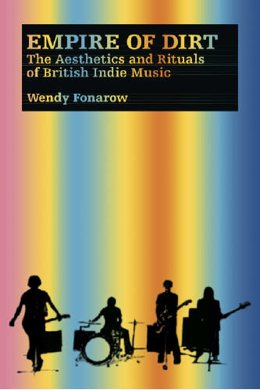
“I’m not sure if I’m the only indie professor, but I’ve spent the last 18 years recording, examining and writing about the culture of indie and the international music industry”, Wendy Fonorow writes in her opening post. Her book “Empire of Dirt: The Aesthetics and Rituals of British Indie Music” tackles questions such as “Why are drummers the most ridiculed band members?”, she adds.

The readers of this new series are invited to ask questions. “So if you are curious about why cassettes are the new vinyl, or whatever else takes your fancy, here is your chance to ask”, she writes. “And please someone ask me about why Americans think they invented indie.”

After one day, there are already more than 250 comments.

The Guardian presented her book two years ago.

Here is what she according to the Guardian writes about indie culture and religion:

“Religious narratives show up in all expressive forms, from politics to music. I see a lot of the religious narrative of Puritanism in the indie music scene; the idea that, to have the pure divine experience, it has to be direct and unmediated. So the smaller and more intimate a show is, the ‘truer’ fans believe their experience was, compared to someone who saw them later on in a bigger venue. That’s why so many people claim to have seen the Sex Pistols at the 100 Club. You can also find the aesthetic of Puritanism in the way indie people present themselves, such as childlike clothing, this idea of returning to the golden age of childhood or the musical past.”

Or here about music as ethnicity:

One of my ex-students once said ‘music is my ethnicity’. People want to find other people who are like-minded so instead of finding their ethnic identity through birth they find it through aesthetic preferences and that becomes their identity. For each one of those music movements, there are modes of display. Desmond Morris talked about how different earrings can signify where you are in the age grade of certain tribes in central Africa. To outsiders these displays are subtle or hard to notice at all.”

Interesting! But it seems the anthropologist is extremely fond of theory and might tend to over-analyse her informants. Here is how the Guardian begins the presentation:

Remember that time you were crowd surfing at an Arctic Monkeys gig and thought you were just having a drunken laugh? Rubbish! You were, in fact, being “collaborative in a unique social space, expressing super-intimacy with strangers and rejecting the self-aggrandising that comes with stage-diving”. Oh yes you were. And that time you were standing at the bar and thought you were just, well, thirsty? Not at all: you were probably just “proving your credentials as an industry professional” or “communicating to others a disinterest in the act”.

These are the theories of professor Wendy Fonarow, anthropologist at UCLA in California and the author of Empire Of Dirt: The Aesthetics And Rituals Of British Indie Music.

Her book has received a lot of positive reviews, while Pichfork reviewer William Bower is less convined by the book and its language. Check also Wendy Fonarow’s website at http://www.indiegoddess.com/

SEE ALSO:

”Eurovision produces a new form of unity”

Hindi Film Songs and the Barriers between Ethnomusicology and Anthropology

Reggae, Punk and Death Metal: An Ethnography from the unknown Bali

Multimedia Music Ethnography of Yodelling and Alphorn Blowing

“Pop culture is a powerful tool to promote national integration”

Arctic Monkeys @ Explanda del Estadio Azteca. Photo: monophonic.grrrl / Mariel A. M., flickr

“Ask the indie professor” is the name of a new series in the Guardian. The indie professor in question is Wendy Fonarow. At a music festival…

Read more