search expand

Hva skjer med antropologien i Sverige?

Sveriges Antropologförbund har begynt å blogge. Et av de nyere innleggene har en heller dyster tone. Vart är antropologin på väg? spør Johan Lindquist, ordförande i organisasjonen:

Det institusjonelle landskapet har forandret seg med diverse sammenslåinger:

Kulturantropologiska institutionen i Uppsala har slagits samman med etnologi, Socialantropologiska institutionen i Göteborg har blivit en avdelning inom Institutionen för globala studier, och i Lund har avdelningen för Socialantropologi administrativt blivit alltmer integrerad med Sociologiska institutionen.

Flere stjerner innen faget er blitt pensjonert eller har flyttet. Diverse universitetsreformer legger vekt på rask gjennomstrømming og utdanning “har “anställningsbarhet” som sitt ledord”.

Johan Lindquist har lagt merke til en synkende interesse for Sveriges Antropologförbund. Det ser ut som om organisasjonens hovedoppgave er å organisere den årlige konferansen og ikke å videreutvikle faget:

Frågan är dock om det inte är just nu, i en tid då antropologin har blivit allt svagare i institutionella termer, som vi behöver en starkare nationell organisation. Nu när många av oss har tagit oss igenom betungande institutionella reformer är det viktigt att fundera över hur vi vill utveckla ämnet i det nya landskapet.

>> les hele innlegget

SE OGSÅ:

I Sverige: Færre studerer antropologi

For mye byråkrati, for mye toppstyring, for lite tid til forskning: Jonathan Friedman forlater Sverige med glede

Norsk antropologi i forfall? Thomas Hylland Eriksen intervjuer Harald Eidheim

– Kvalitetsreformen truer antropologifaget

Etter kvalitetsreformen: Like bra feltforskning på kortere tid?

Kvalitetsreform og effektivisering: Hylland Eriksen varsler døden for den frie kunnskapsutvikling

Sveriges Antropologförbund har begynt å blogge. Et av de nyere innleggene har en heller dyster tone. Vart är antropologin på väg? spør Johan Lindquist, ordförande i organisasjonen:

Det institusjonelle landskapet har forandret seg med diverse sammenslåinger:

Kulturantropologiska institutionen i Uppsala har…

Read more

Doktoravhandling: Hvordan påvirker bilder mennesker?

kolam

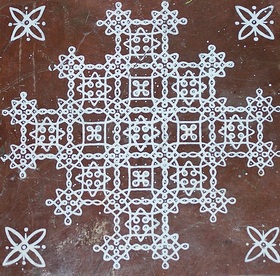
Hver dag ved soloppgang og solnedgang tegner kvinner i den sørindiske delstaten Tamilnadu geometriske figurer (kolams) foran husene sine. Figurene skal invitere gudene til å bringe lykke. Igår disputerte antropolog Anna Laine med en doktoravhandling om hvordan disse bildene påvirker menneskenes hverdag, melder Göteborgs universitet:

I linje med andra samtida antropologer som fokuserar på visuella aspekter av kultur (och uppfattningar inom hinduisk föreställningsvärld) betonar avhandlingen den nära koppling som finns mellan seendet och våra andra sinnen. Estetik diskuteras som en multisensorisk upplevelse förankrad i människors vardag. Olika uppfattningar om kolam visar att dess estetik varierar lokalt och även över tid.

Anna Laine forteller at hun under feltarbeidet også har begynt å tegne:


- Innan min akademiska utbildning arbetade jag praktiskt med bilder på olika sätt. Det är delvis denna bakgrund som har lett till att jag intresserar mig för just kolams. Mitt konkreta lärande under fältarbetet av att själv göra kolams har varit ett viktigt led i min förståelse och jag anser generellt att praktikbaserad metod utgör ett viktigt komplement till verbala och textbaserade.

>> les pressemeldingen

>> last ned avhandlingen “In conversation with the Kolam practice: Auspiciousness and artistic experiences among Women in Tamilnadu, South India”

(Bilde: ~ Panache, flickr)

SE OGSÅ:

“A new interdisciplinary approach to the perception of art”: How can art change people’s lives?

What anthropologists and artists have in common

kolam

Hver dag ved soloppgang og solnedgang tegner kvinner i den sørindiske delstaten Tamilnadu geometriske figurer (kolams) foran husene sine. Figurene skal invitere gudene til å bringe lykke. Igår disputerte antropolog Anna Laine med en doktoravhandling om hvordan disse bildene påvirker…

Read more

Etterlyser forskning på voldelige gjenger

Flere gjenger kjemper mot hverandre i København. Men som videnskab.dk avslørte for et par dager siden, finnes det ingen forskning på disse gjengene.

Nettstedet ringte rundt på diverse institutter og konkluderer:

Det er så godt som umuligt for landets videnskabsfolk at give kvalificerede bud på, hvordan landets bander i øjeblikket er sat sammen – og dermed også, hvornår indvandrere og rockere farer i totterne på hinanden, eller hvordan man måske finder en afslutning på den konflikt, som medierne har døbt ‘bandekrigen’.

“Nu er det jo ikke sådan, at den kriminelle underverden tager imod forskere med åbne arme”, påstår sosiolog Michael Hviid Jacobsen.

Politiet derimot vurderer å rekruttere forskere til et eget prosjekt der de skal prøve å kartlegge rekrutteringen til og sammensetningen av gjengene. Prosjektet blir faktisk ledet av en antropolog (Camilla Hald Kvist) og er del av initiativ av Det danske Folketinget som har satt av fem millioner kroner for å “grave mere viden frem, så det bliver lettere at bekæmpe bander”.

Ikke helt uproblematisk dette samarbeidet: Er det ok å samarbeide med politiet under slike premisser? Er det ikke slik at antropologer på feltarbeid ville fungere som spioner?

>> les hele saken “Ingen forskning i den danske bandekrig”

Videnskab.dk har nå begynt med en artikkelserie om gjengforskning. En artikkel handler om en doktoravhandling av antropologen Kirsten Hviid om gatekultur som kan forklare en del voldsepisoder. Såkalte “innnvandrergjenger” har mye tilfelles med de danske gjengene på 70- og 80-tallet. De er del av den samme kulturelle tradisjonen som utviklet seg på gata.

Hviid sier:

Fællesskabet er helt centralt for de mest marginaliserede unge, som finder værdier, solidaritet og respekt i grupper på gaden. Når gruppen bliver truet, rykker man sammen og får efterhånden skabt et broderskab, som bygger på offervilje og blodsbånd, og hvor man i nogle tilfælde er villig til at sætte livet på spil for andre.
(…)
Det her lyder banalt, men det handler om at stå der og være der for de andre, når det gælder for alvor. Gaderne bliver dit og brødrenes sted, et fælles territorium. De spontane møder bliver mere og mere forankret i tætte relationer, for det er dér, man ryger og snakker sammen, låner penge til hinanden og forsvarer hinanden over for krænkelser udefra. ‘Brødrenes’ venskaber bliver utroligt vigtige for unge, som ikke klarer sig godt i skolen eller klubberne og ikke får succes hjemmefra. De får det i stedet på gaden.

For politiet er det viktig å ha kjennskap til denne gatekulturen ellers kan de gjøre vondt verre.

>> les hele saken “Unge vil forsvare gruppen med deres liv”

De norske sosiologene Sveinung Sandberg og Willy Pedersen konkluderte på en lignende måte, se – Heller gatekultur enn æreskultur

SE OGSÅ:

Ethnographic lecture confronts female gang myths

København: Diskriminering skaper brannstiftere

Vold, sikkerhetspolitikk og kamp om rom i Bogotá

The anthropology of children, war and violence

Conflict Resolution and Anthropology: Why more scholarship on violence than on peace?

Flere gjenger kjemper mot hverandre i København. Men som videnskab.dk avslørte for et par dager siden, finnes det ingen forskning på disse gjengene.

Nettstedet ringte rundt på diverse institutter og konkluderer:

Det er så godt som umuligt for landets videnskabsfolk at…

Read more

Earth Hour – The first globalized ritual?

Candlelight Dinner
Earth Hour in Perth
Earth Hour Warrior

I have to confess I have an ambivalent relation to initiatives like the Earth Hour. But anthropologist Stephen Bede Scharper casts an interesting perspective on this new way to save our planet.

He describes Earth Hour as “the first globalized ritual”, a `liminal space’ and therefore “a potent opportunity for change”:

Earth Hour combines a spiritual quest, a moral mandate and a communal practice into a unique and truly global event. It can thus be considered a transcultural action of moral responsibility for the planet, a statement that “another world is possible.” It is not driven by brands, consumerism or corporate logos. Earth Hour is not Coca-Cola teaching “the world to sing in perfect harmony,” nor Nike telling us to “Just Do It.” It is, rather, approximately one billion people entering the threshold of a different relationship with both the planet and the cosmos.

(…)
Earth Hour has arisen, almost organically, outside of established religious and secular institutions. The fact that churches and municipal governments are now participating is a testament not only to its popularity, but also possibly to its motivational power and persistence, something that places the event in the category of “ritual.”

>> read the whole story in The Toronto Star

UPDATE: Antarctica to Pyramids: Lights dim for Earth Hour (ap, 28.3.09)

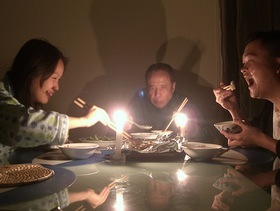
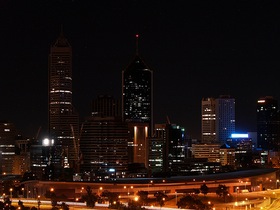
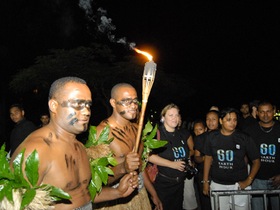
The pictures are from Melbourne (by avlxyz), Perth (by earthhour_global) and Fiji (by earthhour_global) – found via a flickr search for Earth Hour.

SEE ALSO:

The Value of Rituals

World Cup Enthusiasm: “Need for a collective ritual, not nationalism”

For an Anthropology of Cosmopolitanism

The last days of cheap oil and what anthropologists can do about it

Candlelight Dinner

I have to confess I have an ambivalent relation to initiatives like the Earth Hour. But anthropologist Stephen Bede Scharper casts an interesting perspective on this new way to save our planet.

He describes Earth Hour as "the first globalized…

Read more

“Intolerant Universities”: Anthropology professor Chris Knight suspended over G20-activism

(UPDATE: Alternative Summit cancelled, university occupied) Shortly after The Sunday Telegraph wrote that anthropologist Chris Knight is one of the organizers of a mass demonstration against the G20 summit in London, he was suspended from his job at the University of East London, several British newspapers report.

According to the BBC and The Times he was suspended because of the comments he made in an interview for BBC radio.

Chris Knight, (or Mr. Mayhem according to the Evening Standard) said:

“We are going to be hanging a lot of people like Fred the Shred [Sir Fred Goodwin] from lampposts on April Fool’s Day and I can only say let’s hope they are just effigies.

“To be honest, if he winds us up any more I’m afraid there will be real bankers hanging from lampposts and let’s hope that that doesn’t actually have to happen.

“They [bankers] should realise the amount of fury and hatred there is for them and act quickly, because quite honestly if it isn’t humour it is going to be anger.

“I am trying to keep it humorous and let the anger come up in a creative and hopefully productive and peaceful way.

“If the other people don’t join in the fun – I’m talking about the bankers and those rather pompous ministers – and come over and surrender their power obviously it’s going to get us even more wound up and things could get nasty. Let’s hope it doesn’t.”

>> G20 protest professor suspended (BBC, 26.3.08)

>> Anarchist professor Chris Knight suspended after G20 ‘threat’ (The Times, 26.3.08)

>> Protest website G 20 Meltdown

>> The Guardian G20-overview and updates

Professor Chris Knight’s suspension for voicing anti-G20 sentiments is a sign of how intolerant universities have become, writes Rupa Huq in The Guradian.

The incident is “symptomatic of how university management culture has changed”:

The introduction of fees over the past decade has meant universities adopting more business-like ways, serving paying customers rather than Young Ones-style indolent students.
(…)
To some extent, as the polytechnics became universities, the universities underwent a degree of polytechnic-isation too: new and different types of courses appeared ¬– programmes with vocational outcomes and “transferable skills” in place of critical thinking. Exams were shunned in favour of continuous assessment, reflecting the changing needs for skills-based provision to produce good workers to service the economy

At least two Facebook groups have been formed already: Reinstate Professor Chris Knight and Chris Knight Reinstatement Solidarity Group (via Max Forte on twitter)

One of the group members posted a comment by Chris Knight:

“Management at UEL are telling the press the Alternative Summit (http://www.altg20.org.uk) may not happen. Meanwhile, they are actively sabotaging the Summit by crashing the only e-mail we have been using to organize it and by countermanding all requests to the UEL print-shop to produce vital publicity material. Not to mention barring me from getting into my own room on campus which until now has been the organizing centre.

They have done nothing to convince me that they will be respecting Earth Hour from 20.30 this evening. Maybe some of us should get down there around 19.30 tonight? We could then use UEL campus to enforce Earth Hour, secure the Summit venue and uphold the rule of law. I will certainly be down there.”

Comments from group members:

wherever you work you have a point of view about what is going on in the world…how dare jobs be threatened just because of your views…..
they can never stop what we think!!!!!!!

—-

I do support the reinstatement of Professor Knight as it looks like his university have thoroughly overreacted, but I think the anger at the city, specifically, is misplaced. Bankers have behaved as they were encouraged to within the logic of capitalism – it’s not a case of if they’d been a bit less greedy we could have had some version of “good” or “compassionate” capitalism; the entire system is the problem, not a figurehead bunch of bankers.

“Think theyve been trying to find an excuse to suspend him, personally though the move to suspend him over what was said is a stupid move; it shows nothing but UEL being an institution where individuality and political opinion is barred.”

UPDATE: Maximilian Forte at Open Anthropology comments:

Perhaps the most “threatening” thing Dr. Knight has said is to caution the police not to use violence. He is making a perfectly legitimate point, that has been made many times over the centuries, even from the seats of monarchic power and the Vatican: closing off avenues for peaceful protest and dissent will justify, legitimate, and even mandate more violent action for necessary and urgent change.

More anthropologists in action in London at the Alternative London Summit 2009 – here an excerpt from the anthropology section (!):

– David Graeber will be analyzing the banking crisis from a 5,000-year historical perspective.

– Jerome Lewis will adopt a hunter-gatherer perspective on the crisis, explaining how life is possible without hierarchy, money or notions of inevitable scarcity.

– Neil Bennun will be drawing on South African Bushman mythology to illustrate how “Another world is possible”.

SEE ALSO:

Financial crisis: Anthropologists lead mass demonstration against G20 summit (my post 5 days ago)

Blogging and Public Anthropology: When free speech costs a career

Bush, “war of terror” and the erosion of free academic speech: Challenges for anthropology

Engaged anthropologists beaten by the Mexican police

USA: Censorship threatens fieldwork – A call for resistance

Neoliberal applied anthropology: Who owns the research — the anthropologist or the sponsor?

(UPDATE: Alternative Summit cancelled, university occupied) Shortly after The Sunday Telegraph wrote that anthropologist Chris Knight is one of the organizers of a mass demonstration against the G20 summit in London, he was suspended from his job at the University…

Read more